
The Twingo is £14,745, and only two cars in Britain undercut it
Renault Twingo E-Tech
With the full £3,750 grant, Renault's new Twingo is the cheapest electric car built in Europe, and in Britain it comes with 50 kW rapid charging as standard. The two cars that cost less are both built in China.
20 November 2026
of 3
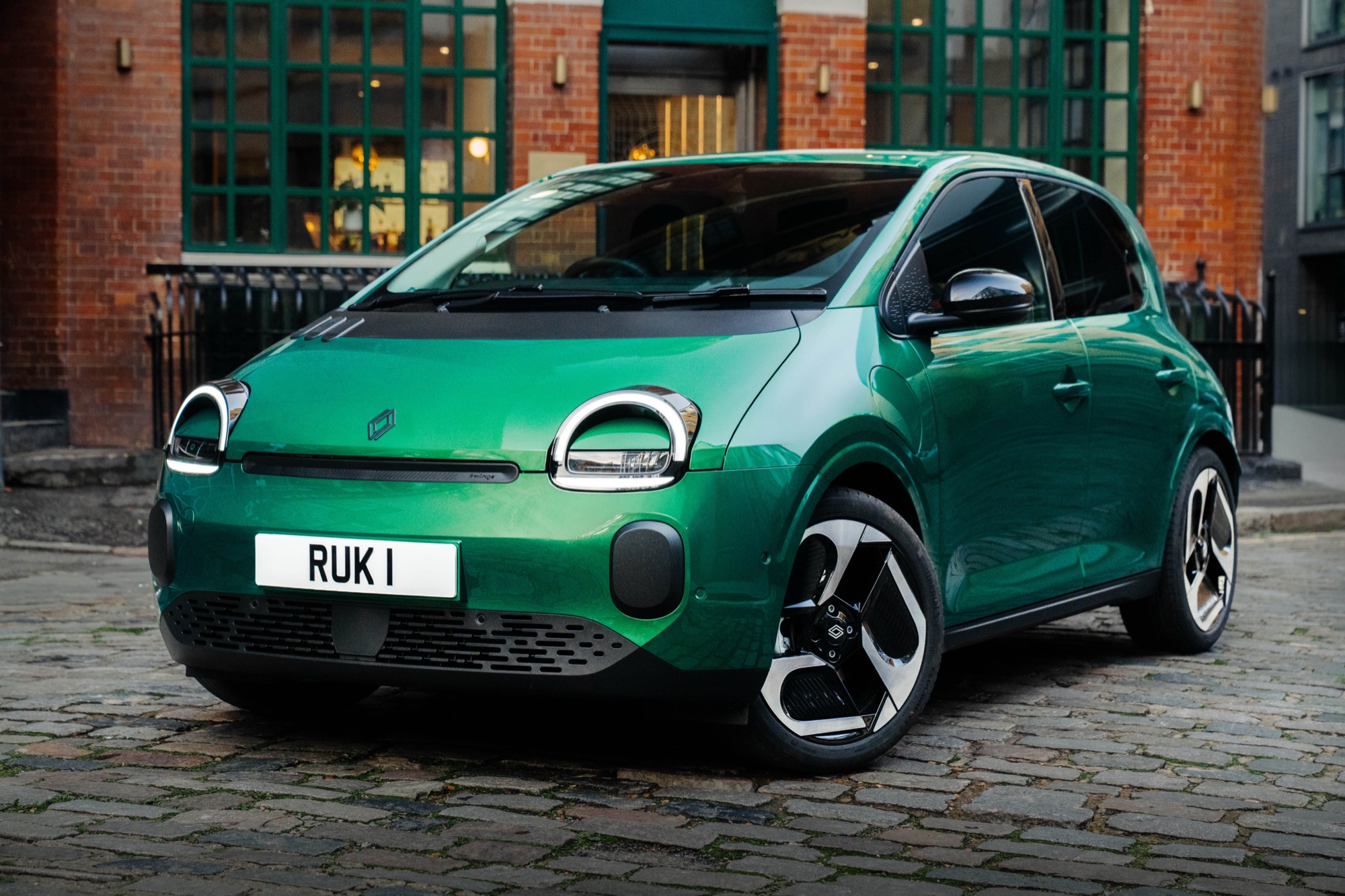
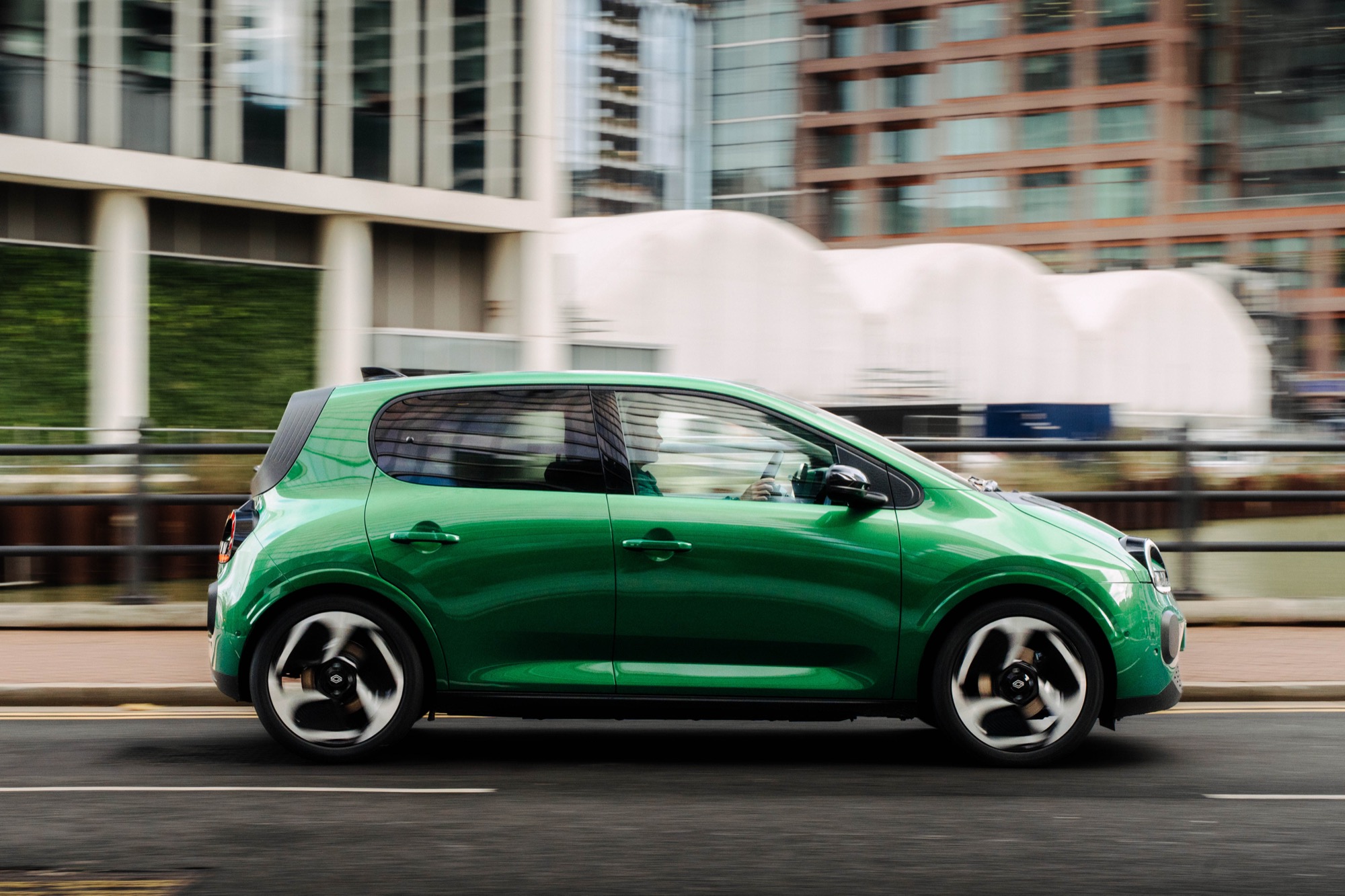
Renault promised the new Twingo would go on sale in Britain for under £20,000. It has done rather better than that. The evolution starts at £14,745 on the road, the techno at £16,245 and the launch edition at £17,645, every one of them with the full £3,750 Electric Car Grant already taken off. Orders open in the first quarter of 2027.
Put the grant back and the list prices are £18,495, £19,995 and £21,395, so two of the three would have kept the promise with no help at all. With it, the entry car is £6,750 less than the cheapest Renault 5, which takes only £1,500 of grant on its 40 kWh battery and costs £21,495.
That makes the Twingo the cheapest electric car built in Europe. It is made at Novo Mesto in Slovenia, which is what qualifies it for the top band of the grant, and the government's arithmetic does the rest. Only two cars on sale here cost less: the Dacia Spring at £11,990 and the Leapmotor T03 at £12,995, the second of those after a £3,000 discount Leapmotor pays for itself. Both are built in China, which is why neither has ever had a penny of the government's grant.
Against the cars it will actually be shopped against, the Twingo is not close. A Citroën ë-C3 Plus is £18,495 with its own £1,500 grant off, carries 30 kWh and goes 130 miles. A BYD Dolphin Surf Active is £18,650 and goes 137. The Twingo is £3,750 less than the Citroën and £3,905 less than the BYD, and its 27.5 kWh of LFP is rated at 163 miles.
The detail that matters most is in the evolution's equipment list. Renault UK fits it with an 11 kW AC charger and 50 kW DC rapid charging as standard. In Europe the entry Twingo has a 6.6 kW charger and DC charging is an option, and so does the new Spring, built in the same factory on the same platform with the same battery, which needs Dacia's uncosted Charge Pack before it can use a rapid charger at all. Dacia says every new Spring will be under £18,000 before any grant. That is a little under the Twingo's £18,495 list price, and the Twingo can be rapid charged out of the box.
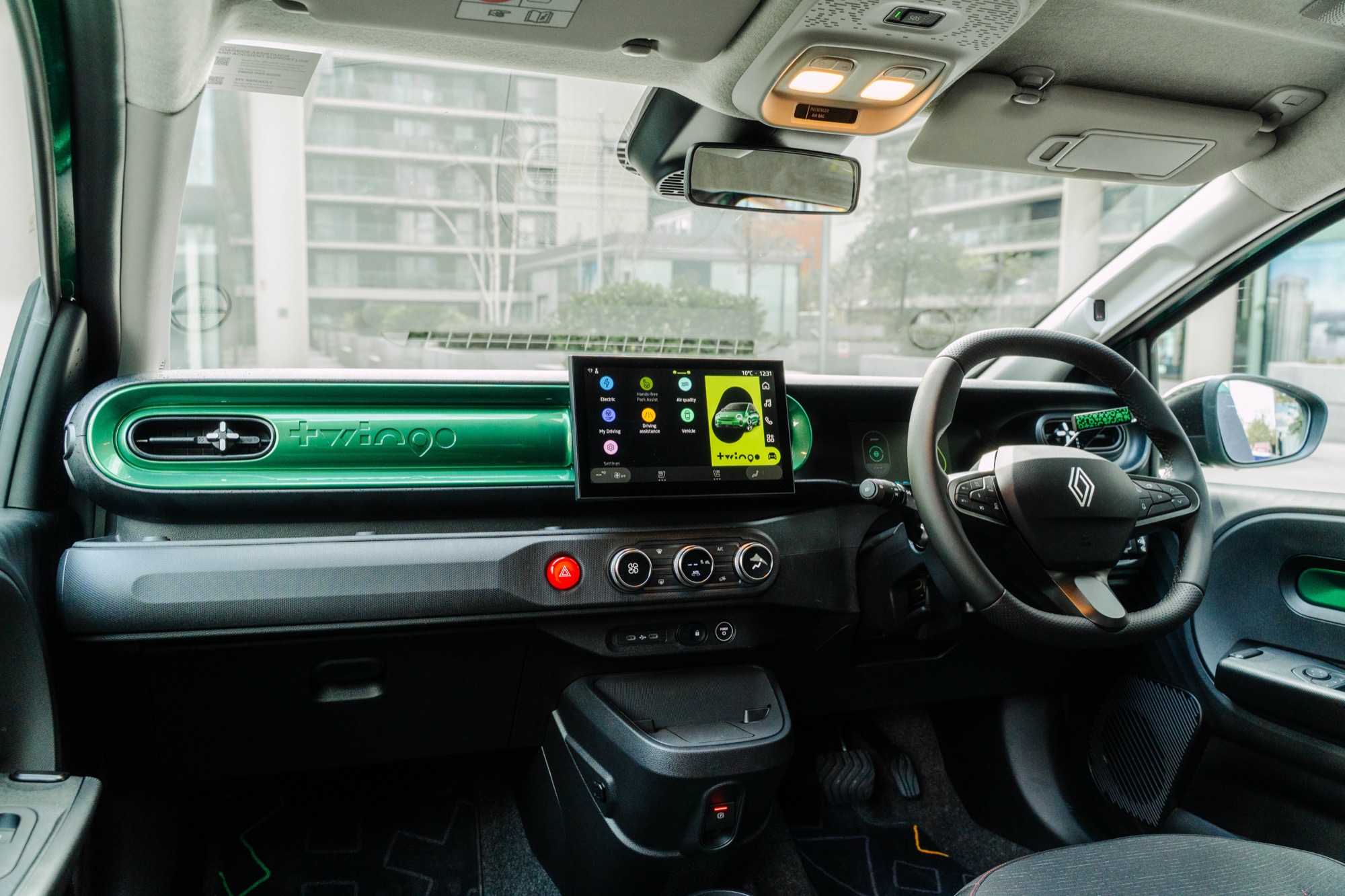
evolution is not bare, either: 16-inch steel wheels, a 7-inch driver display, a 10-inch navigation screen, manual air conditioning, cruise control and lane keep assist. techno is the one most people should look at. For £1,500 more it adds 18-inch alloys, automatic climate control, heated front seats, a hands-free key card, a reversing camera, One Pedal driving and Renault's openR link with Google built-in. The launch edition's extra £1,400 buys blind spot warning, rear cross-traffic alert, hands-free parking, an interior pack and floor mats, and lets you have the Absolute Green or Mango Yellow paint for nothing.
Then there is the R Pass, a £100 reservation that puts you in the queue ahead of the general public and comes with a model Twingo and a green key cover. Renault has now added two years' servicing, up to 30,000 miles, for retail buyers who pay cash or take Mobilize finance on PCP or HP, including anyone who bought a pass before today. Read the small print before relying on it. The release says the car must be bought by 30 June 2027; its own footnote says ordered by 31 March 2027 and registered by 30 June. With order books not opening until the first quarter, that window could be short.
What the Twingo is not is a five-seater. It has four seats, and the rear two slide independently to trade legroom for boot, which runs to 360 litres. At 3.79 metres it is a city car first, and 163 miles is a city car's range. For anyone whose driving fits that, no electric car built in Europe costs less to get into, and the Spring and the Nissan PIXO, both still waiting for prices, now have a number to beat.
The numbers
| Specification | Twingo E-Tech evolution | Twingo E-Tech techno | Twingo E-Tech launch edition |
|---|---|---|---|
| Price | £14,745 | £16,245 | £17,645 |
| Range | 163 miles | 163 miles | 163 miles |
| Battery chemistry | LFP | LFP | LFP |
| Max fast charge power | 50 kW | 50 kW | 50 kW |
| Horsepower | 82 hp | 82 hp | 82 hp |
| Torque | 175 Nm | 175 Nm | 175 Nm |
| Acceleration | 12.1 secs | 12.1 secs | 12.1 secs |
| Top speed | 81 mph | 81 mph | 81 mph |
| Length | 3,789 mm | 3,789 mm | 3,789 mm |
| Width | 1,720 mm | 1,720 mm | 1,720 mm |
| Height | 1,491 mm | 1,491 mm | 1,491 mm |
| Wheelbase | 2,493 mm | 2,493 mm | 2,493 mm |
| Boot volume | 360 litres | 360 litres | 360 litres |
| Boot volume (max) | 1,000 litres | 1,000 litres | 1,000 litres |
| Seating | 4 seats | 4 seats | 4 seats |
How it compares
Matched on battery and price rather than trim name, since nobody names their trims the same way. Prices are on the road with any grant already taken off.
| Specification | Twingo E-Tech Renault | Spring Dacia | T03 Leapmotor | ë-C3 Citroën | Dolphin Surf BYD | 5 E-Tech Renault |
|---|---|---|---|---|---|---|
| Price | £14,745 | £11,990 | £12,995 | £18,495 | £18,650 | £21,495 |
| Range | 163 miles | 140 miles | 165 miles | 130 miles | 137 miles | 197 miles |
| Efficiency | — | 5 mi/kWh | — | 3.68 mi/kWh | 4.01 mi/kWh | 4.23 mi/kWh |
| Battery | — | 24.3 kWh | 37.3 kWh | 30 kWh | 30 kWh | 40 kWh |
| Battery chemistry | LFP | LFP | — | LFP | LFP | NMC |
| Max fast charge power | 50 kW | 40 kW | — | 30 kW | 65 kW | 80 kW |
| 10 to 80% charge time | — | 29 mins | — | 36 mins | 30 mins | 31 mins |
| Horsepower | 82 hp | 70 hp | 95 hp | 113 hp | 88 hp | 120 hp |
| Torque | 175 Nm | 137 Nm | — | 124.5 Nm | 175 Nm | 225 Nm |
| Acceleration | 12.1 secs | 12.3 secs | 12.7 secs | 10.4 secs | 11.1 secs | 9 secs |
| Top speed | 81 mph | 77 mph | — | 82 mph | 93 mph | 93 mph |
| Length | 3,789 mm | 3,701 mm | — | 4,015 mm | 3,990 mm | 3,922 mm |
| Width | 1,720 mm | 1,583 mm | — | 1,813 mm | 1,720 mm | 1,774 mm |
| Height | 1,491 mm | 1,489 mm | — | 1,577 mm | 1,590 mm | 1,498 mm |
| Wheelbase | 2,493 mm | 2,423 mm | — | 2,540 mm | 2,500 mm | 2,540 mm |
| Boot volume | 360 litres | 308 litres | — | 310 litres | 308 litres | 326 litres |
| Boot volume (max) | 1,000 litres | 1,004 litres | — | 1,188 litres | 1,037 litres | 1,106 litres |
| Seating | 4 seats | 4 seats | 5 seats | 5 seats | 4 seats | 5 seats |