
Jaguar's 1,030 PS comeback is really about the range
Jaguar Type 01
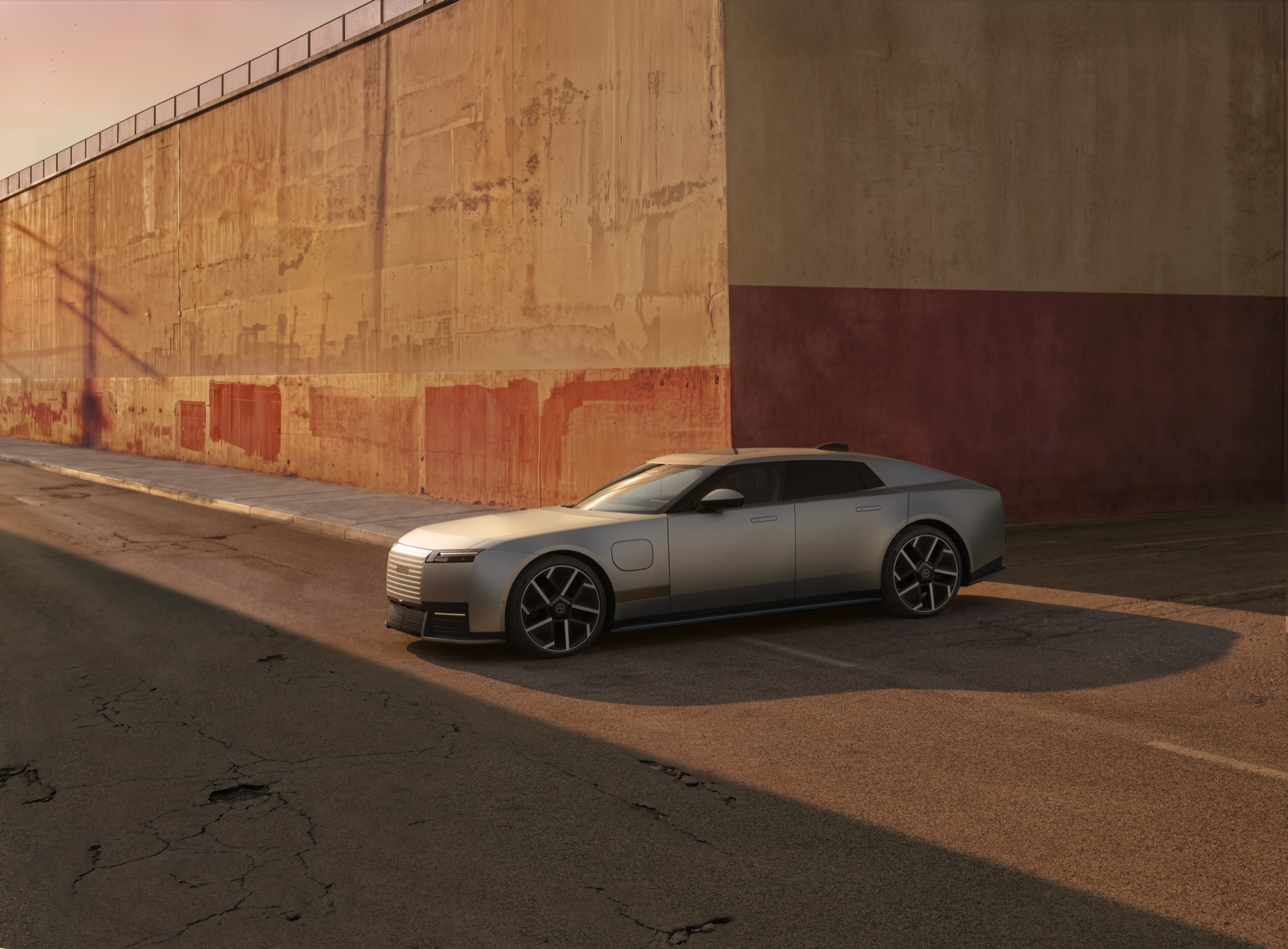
The Type 01 is the first new Jaguar since the I-PACE, a British-built four-door GT with more power than any Jaguar before it. The more useful number is 450 miles, further than any Taycan goes.
7 October 2026
of 5
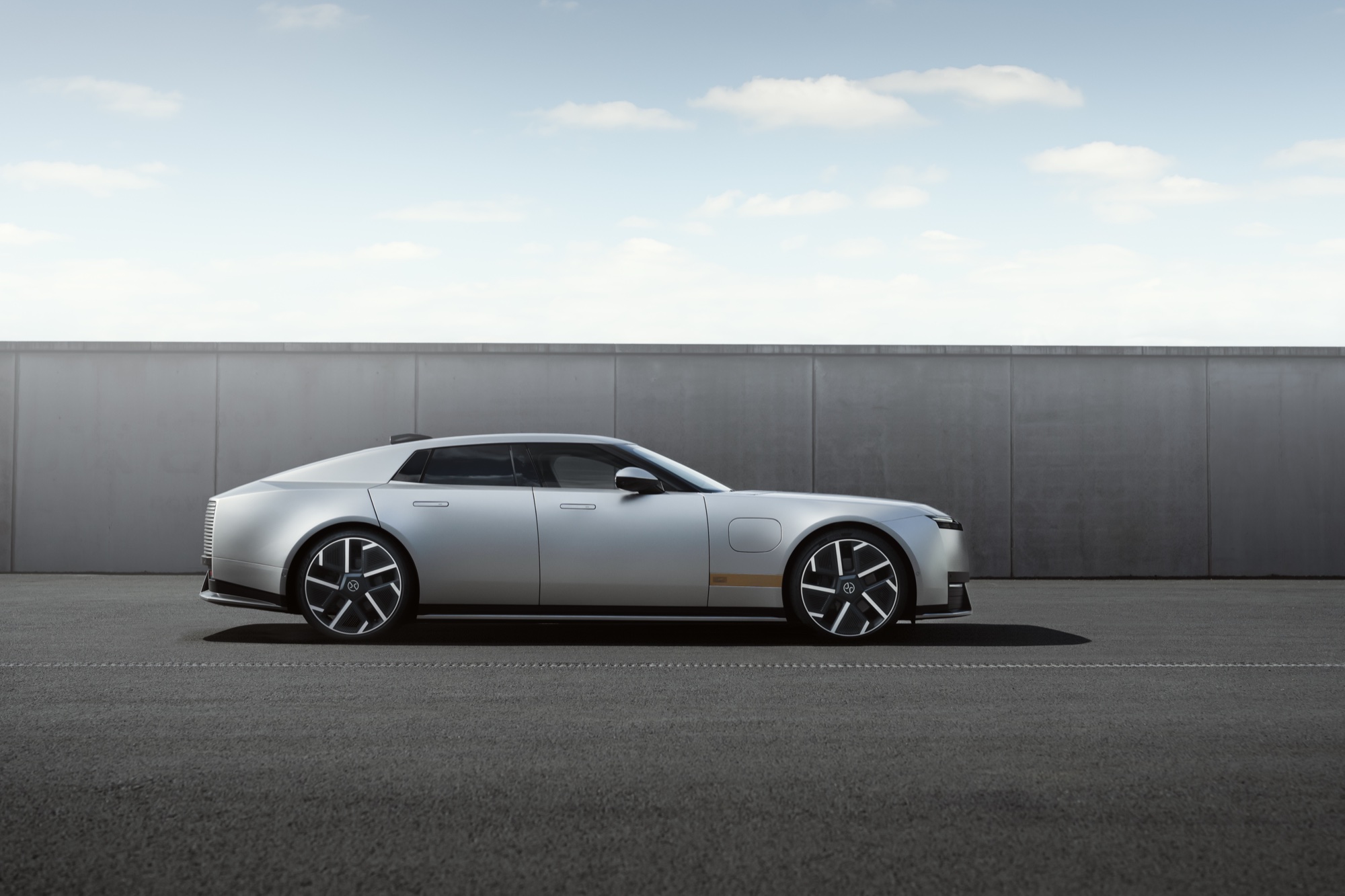
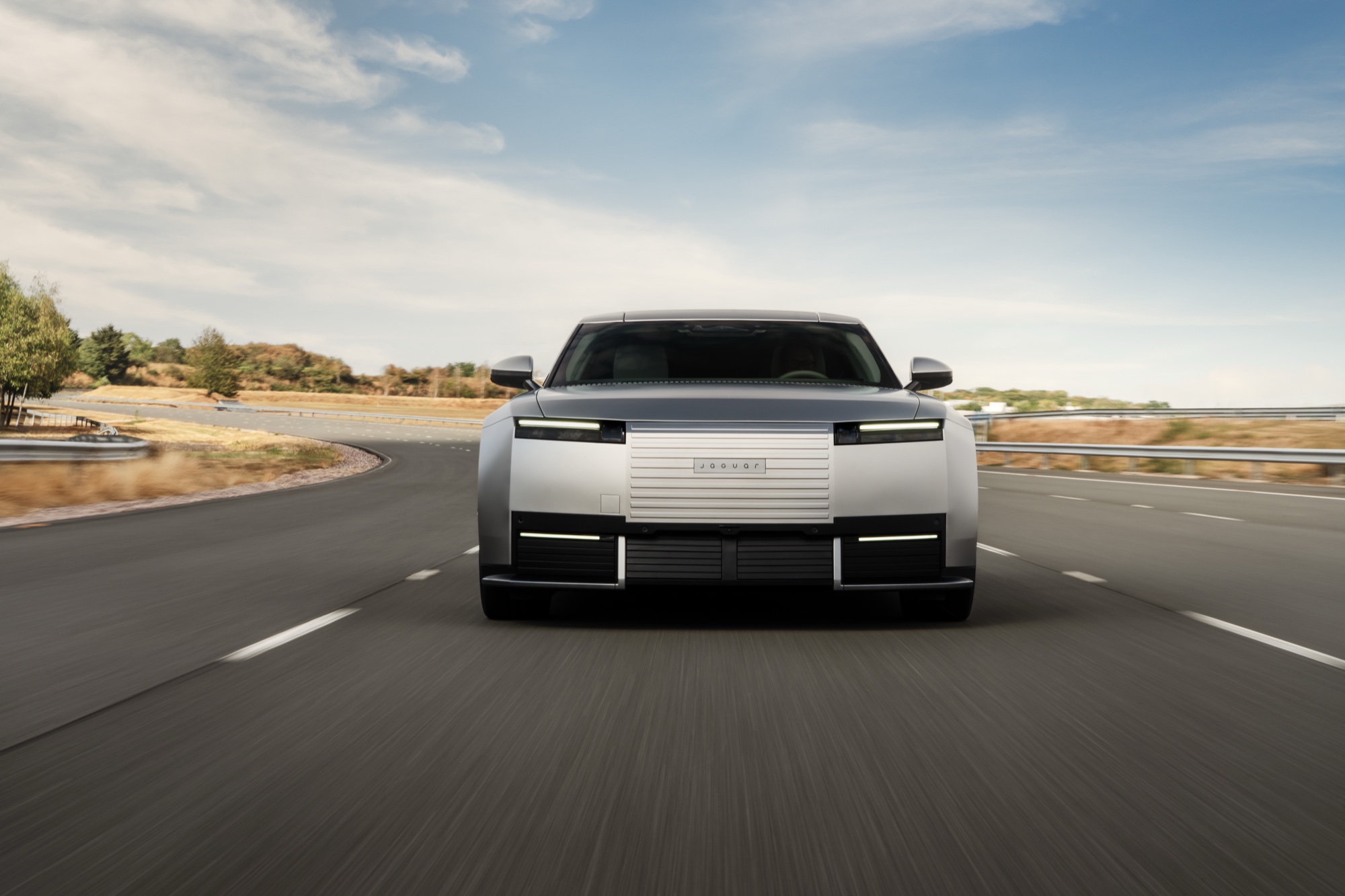
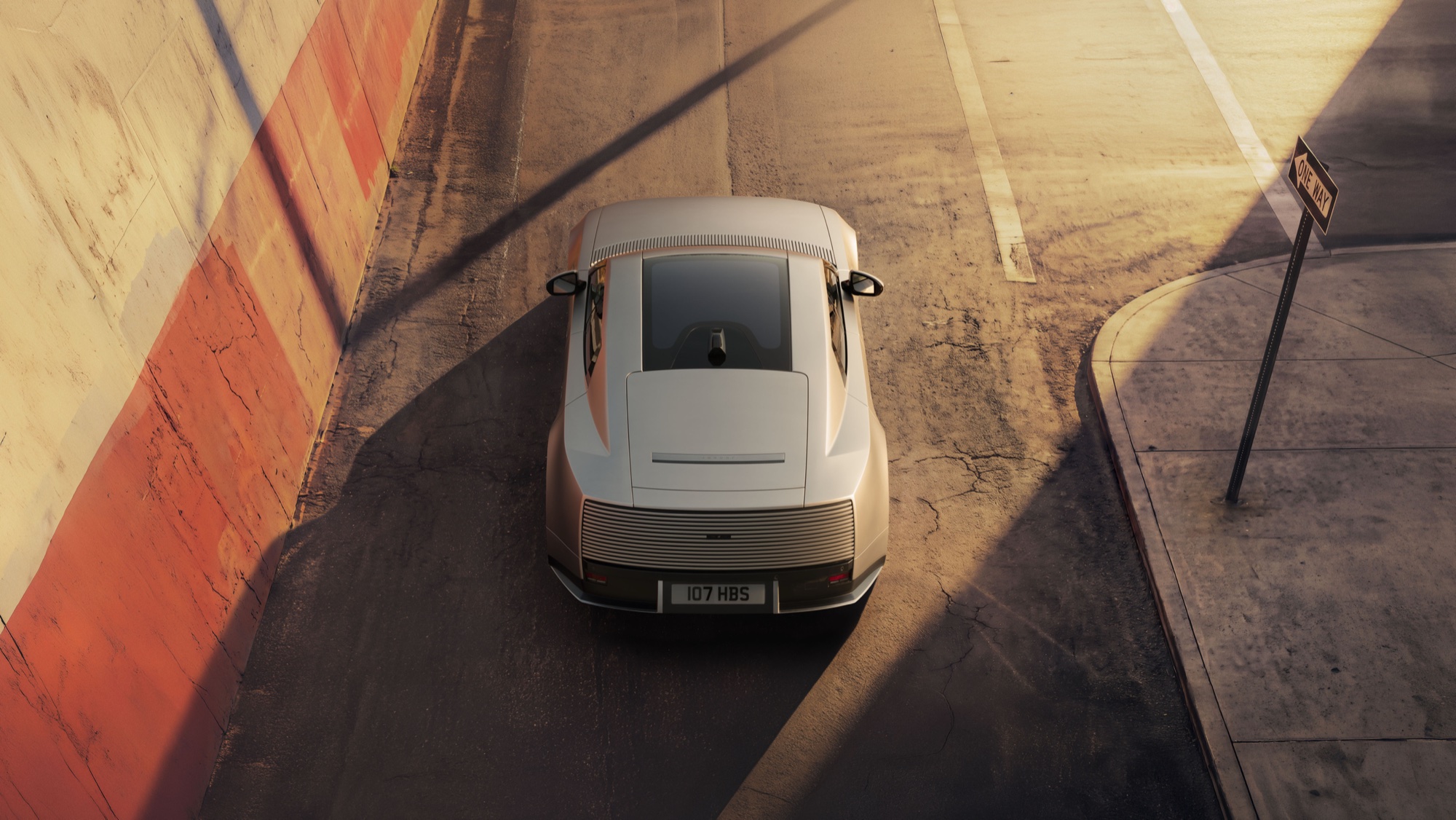
Jaguar has shown the car it has been rebuilding itself around. The Type 01 is a four-door electric GT, designed, engineered and built in the UK on a platform Jaguar developed for it alone, and it is the first new Jaguar since the I-PACE went out of production at the end of 2024. Orders are expected to open in early 2027, with first deliveries in the second half of the year. Every figure below is Jaguar's estimate for a car that has not been certified yet, and there is no price.
The headline is power. Three motors make up to 1,030 PS and 1,365 Nm, which makes it the most powerful road car Jaguar has built. For comparison, the I-PACE made 400 PS.
What 1,030 PS does not buy is the quickest sprint. Jaguar quotes 0 to 62 mph in 3.2 seconds, the same as a Polestar 5 Performance and nearly a second slower than a Taycan Turbo S at 2.4. Jaguar seems to know this. Its release talks about 62 to 112 mph in 4.0 seconds and about always having power in reserve. It is a grand tourer's way of putting it, not a drag racer's.
The range is where the Type 01 stands out. Jaguar estimates 450 miles on the WLTP test, from 118 kWh of usable battery. A Taycan Turbo S is rated at 391 miles on 97 kWh, and a Polestar 5 Performance at 346 on 106. Only the big limousines go as far: a Mercedes EQS 580 or a BMW i7, neither of which pretends to be a sports car. Jaguar also gives an EPA estimate of 400 miles and says it will do 320 miles at a sustained motorway speed, which is the more honest figure for a car built to cross a continent.
Charging is on an 850-volt system, and Jaguar says 13 minutes on a 350 kW charger adds up to 200 miles. That is not the 10 to 80% time other makers quote, so it does not compare directly, but it works out at a little over 900 miles of range an hour of charging.
The shape does a lot of the work. The drag coefficient is 0.23, the lowest of any Jaguar, helped by active vanes at the front and a spoiler that deploys in three stages. That is a low figure for a car on 23-inch wheels with a long bonnet and a short front overhang, proportions Jaguar chose before it went into the wind tunnel.
Inside there are four seats, not five. A spine runs the length of the cabin and splits it into four separate spaces. The driver gets a 24-inch OLED display, there is a 7-inch touchscreen between the front seats for the controls you use most, and a soundbar runs the full width of the dashboard.
What is still missing is everything a buyer would need to choose one: the price, the trims, the dimensions, and whether there will be a less powerful, cheaper version. The release describes the most powerful Type 01 and only that one. For a sense of the money, the Audi RS e-tron GT performance is £166,475 and a Taycan Turbo S £162,265. We will add UK prices when Jaguar publishes them.
The numbers
| Range | 450 miles |
|---|---|
| Max fast charge power | 350 kW |
| Horsepower | 1,016 hp |
| Torque | 1,365 Nm |
| Acceleration | 3.2 secs |
| Seating | 4 seats |
How it compares
Matched on battery and price rather than trim name, since nobody names their trims the same way. Prices are on the road with any grant already taken off.
| Specification | Type 01 Jaguar | Taycan Porsche | 5 Polestar | RS e-tron GT performance Audi | EQS Mercedes-Benz | i7 BMW |
|---|---|---|---|---|---|---|
| Price | — | £162,265 | £104,900 | £166,475 | £126,455 | £120,335 |
| Range | 450 miles | 391 miles | 346 miles | — | 526 miles | 451 miles |
| Efficiency | — | — | 2.9 mi/kWh | — | 3.7 mi/kWh | 3.4 mi/kWh |
| Battery | — | 97 kWh | 112 kWh | 105 kWh | 122 kWh | — |
| Battery chemistry | — | — | NMC | — | — | — |
| Max fast charge power | 350 kW | 270 kW | 350 kW | 320 kW | 350 kW | 250 kW |
| Fastest charge time | — | 21 mins | 22 mins | — | 27 mins | 28 mins |
| Horsepower | 1,016 hp | 775 hp | 884 hp | 925 hp | 585 hp | 544 hp |
| Torque | 1,365 Nm | 1,110 Nm | 1,015 Nm | — | 800 Nm | 745 Nm |
| Acceleration | 3.2 secs | 2.4 secs | 3.2 secs | 2.5 secs | 4.1 secs | 4.8 secs |
| Top speed | — | 162 mph | 155 mph | — | 130 mph | 149 mph |
| Length | — | 4,963 mm | 5,087 mm | — | 5,223 mm | — |
| Width | — | 1,966 mm | 2,015 mm | — | 1,926 mm | — |
| Height | — | 1,379 mm | 1,425 mm | — | 1,512 mm | — |
| Wheelbase | — | — | 3,054 mm | — | 3,210 mm | — |
| Boot volume | — | 407 litres | 365 litres | — | 610 litres | — |
| Boot volume (max) | — | 488 litres | 1,128 litres | — | — | — |
| Seating | 4 seats | 4 seats | 5 seats | — | 5 seats | — |