It wades 900 mm. Nobody will buy it for that.
Range Rover Electric
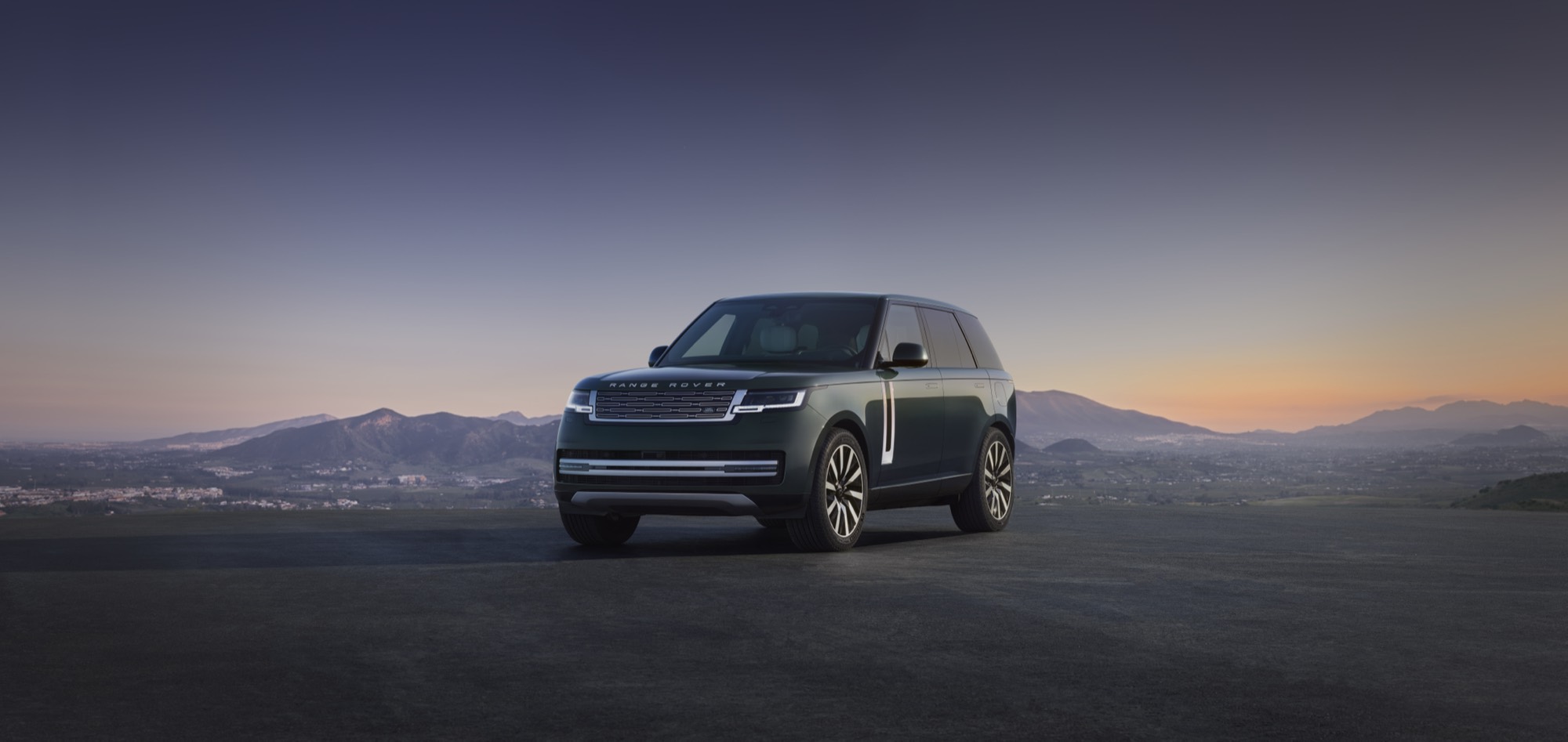
The first Range Rover without an engine costs from £154,070, tows two and a half tonnes and goes through most of a metre of water. It is also dearer than everything it competes with, which has never once mattered to anybody buying one.
2 September 2026
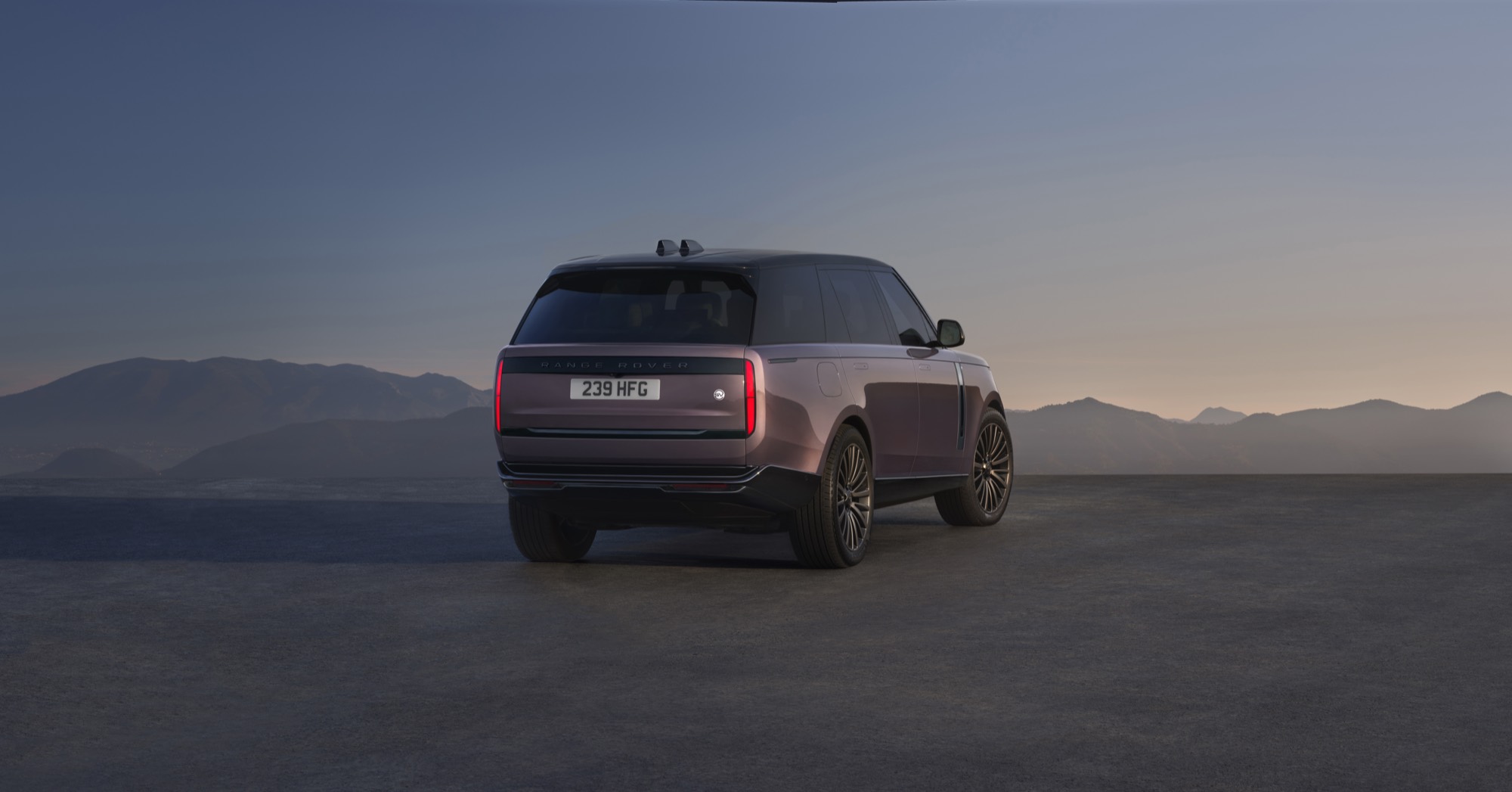
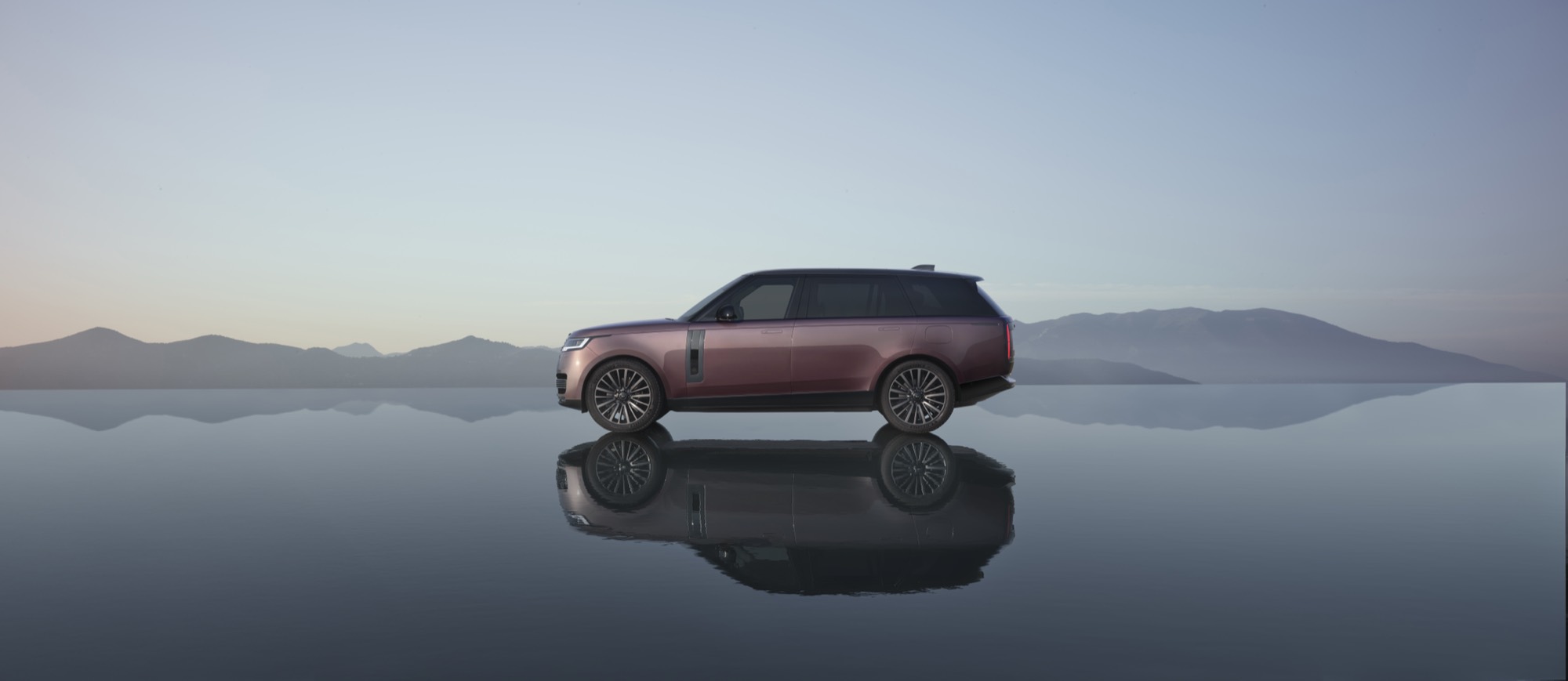
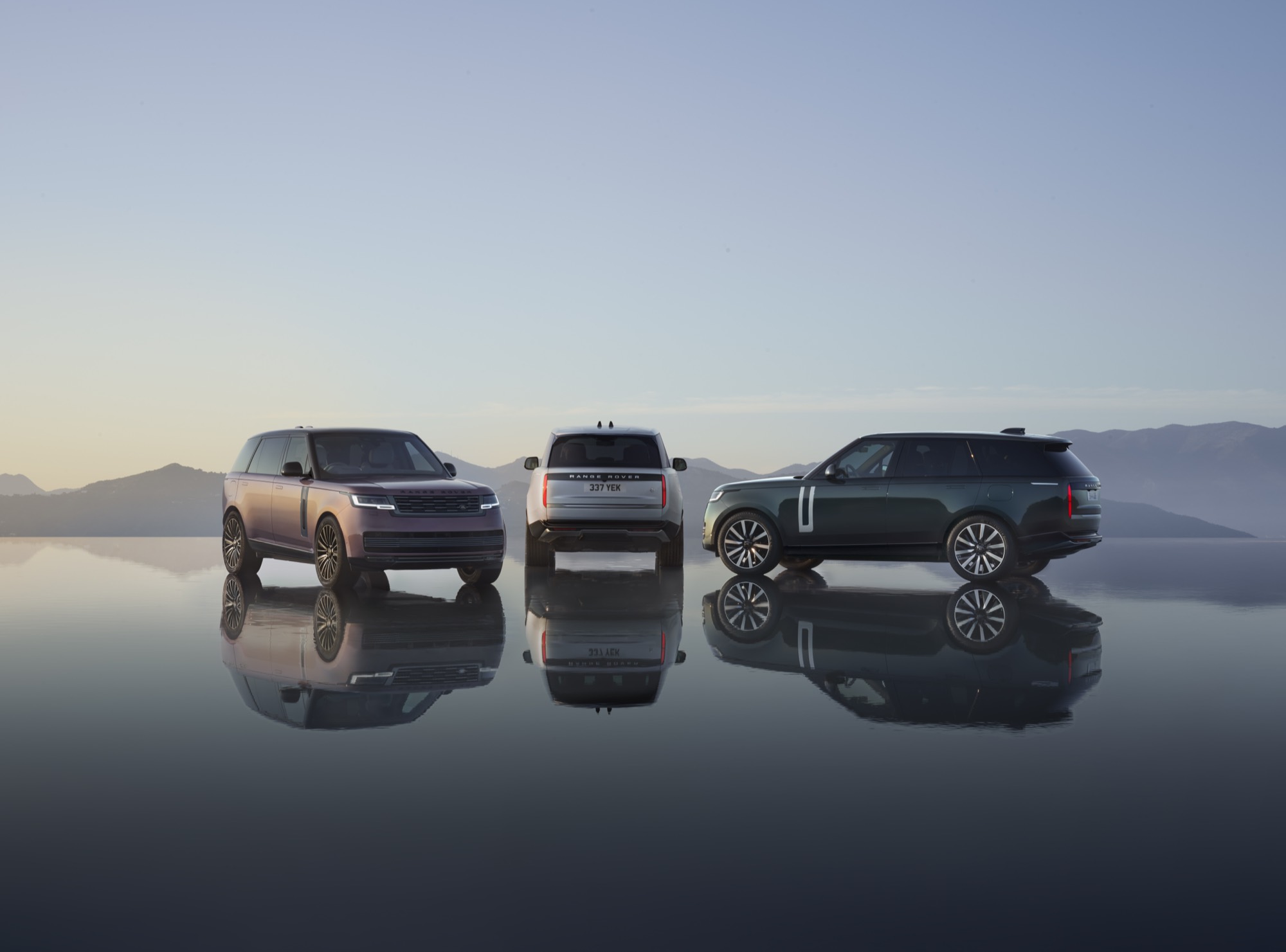
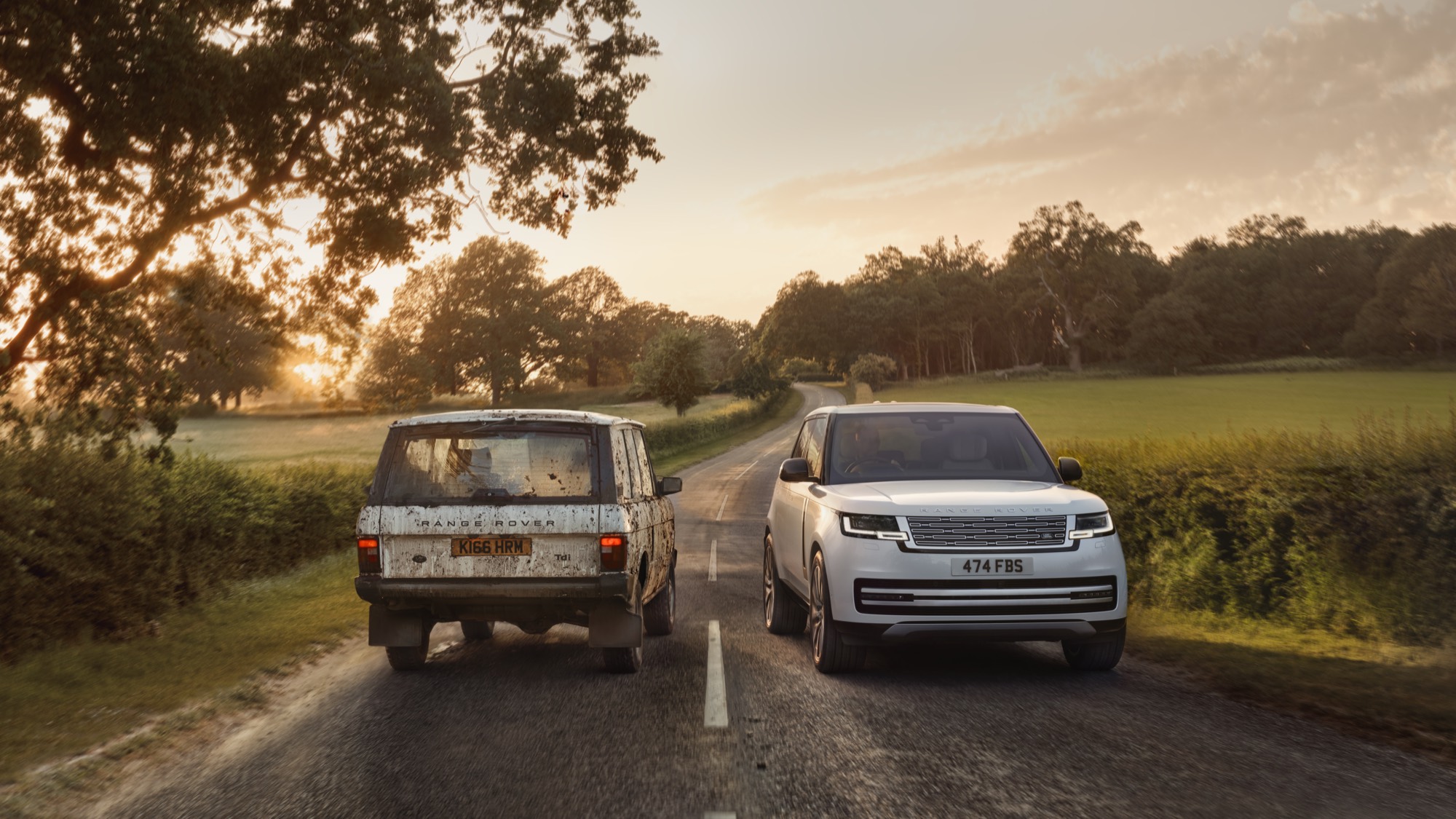
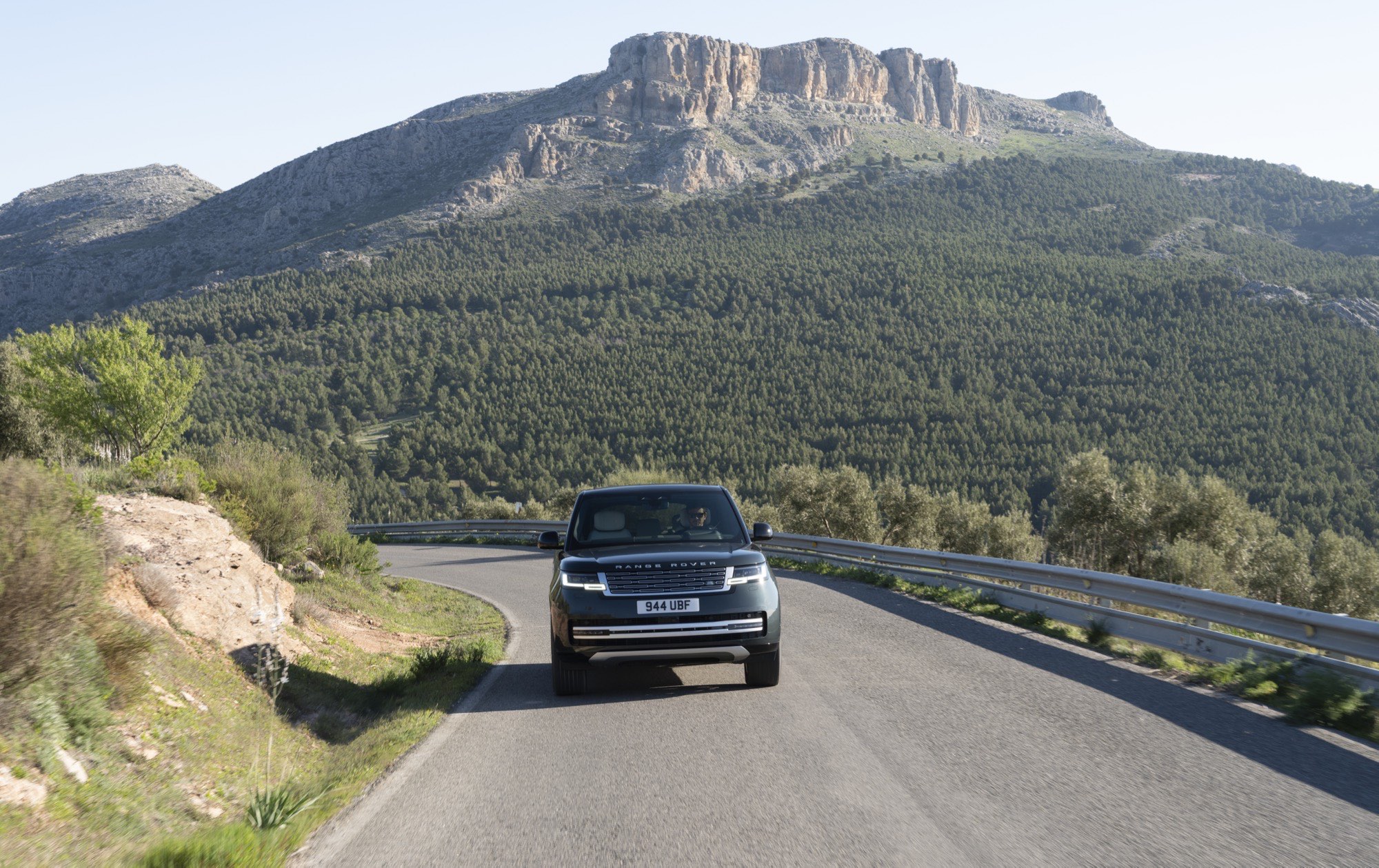
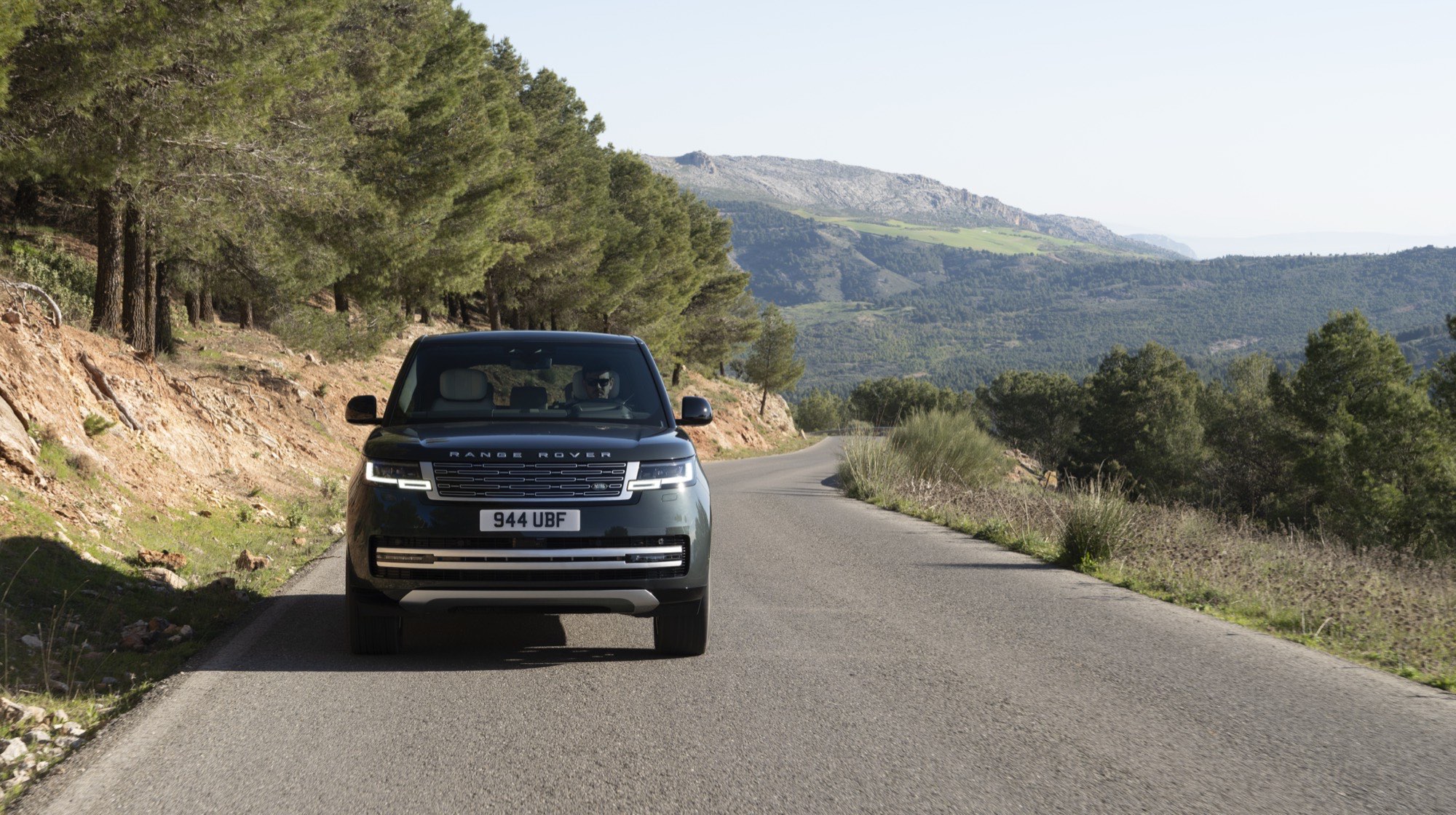
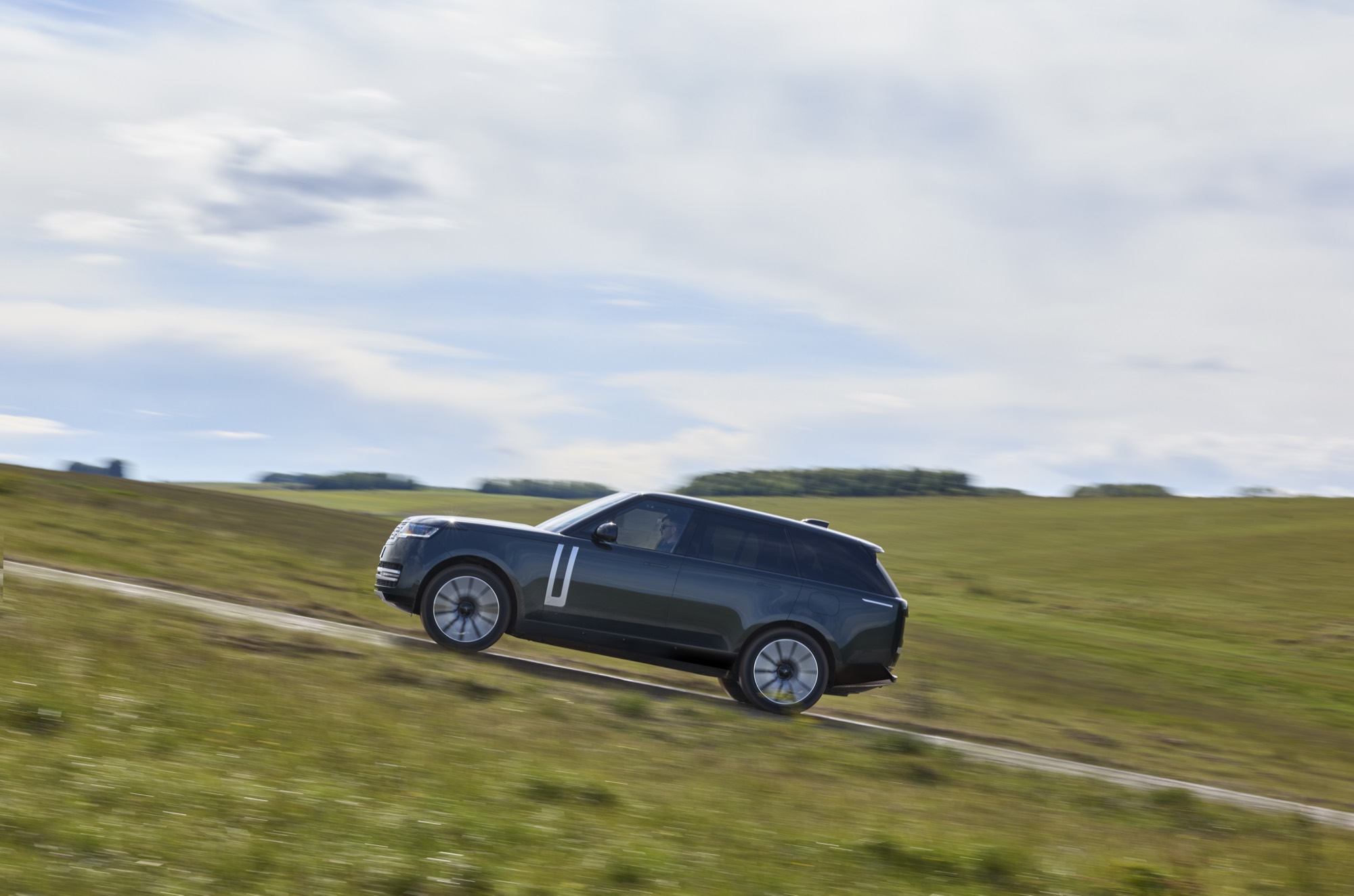
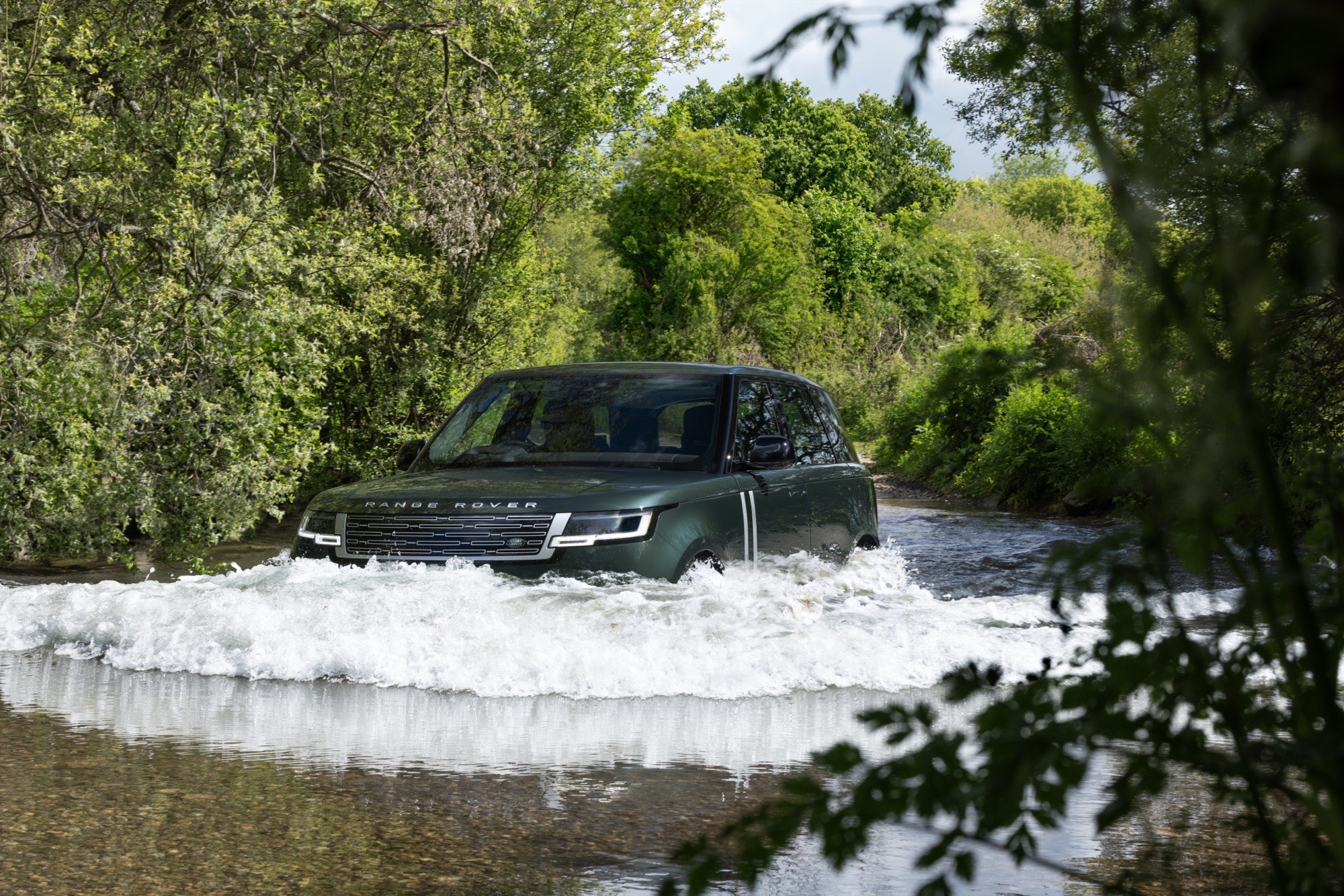
of 25
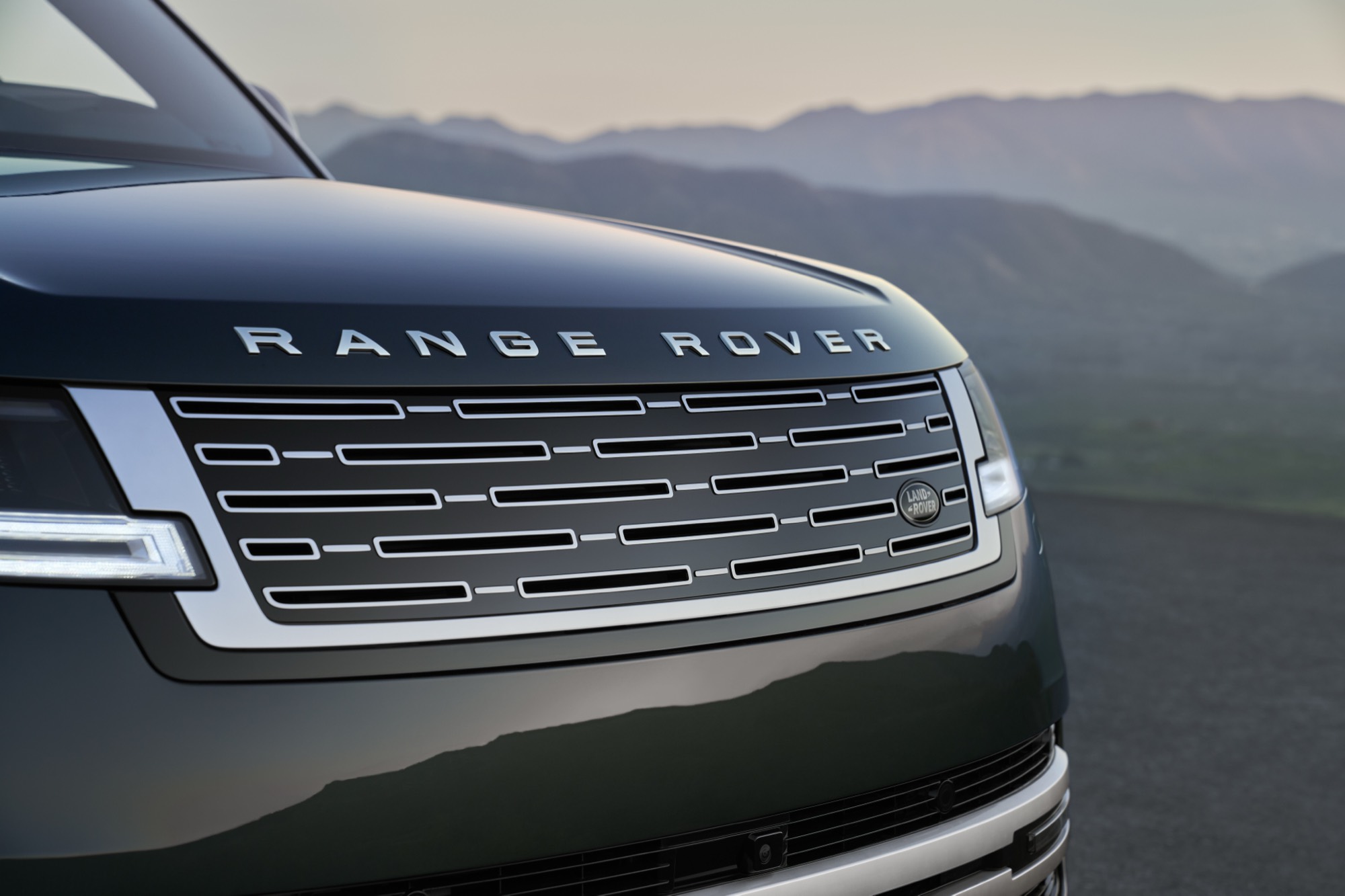
Range Rover is a make now. JLR has spent two years pulling its badges apart into four — Range Rover, Defender, Discovery and Jaguar — and this is the first car the senior one has sold without an engine in it. Range Rover Electric is built at Solihull, where every Range Rover has been built since 1970, and its motors and battery come from JLR's own plant in Wolverhampton.
The engineering is straightforwardly good. A 118.5 kWh usable pack of 344 prismatic cells, double-stacked, on an 800 volt architecture. Two permanent magnet motors of 260 kW each, for 550 PS and 850 Nm, which is more torque than any Range Rover has had. 372 miles on the WLTP cycle and 333 in what JLR calls the real world, which is an unusually honest pair of numbers to print next to each other. Nought to 60 in 4.3 seconds, in a car of this size. Three hundred patents have been filed against it, more than any Range Rover before, and one of them is a heat pump arrangement JLR reckons is worth 25 miles of range and 40 per cent off the heating bill in the cold.
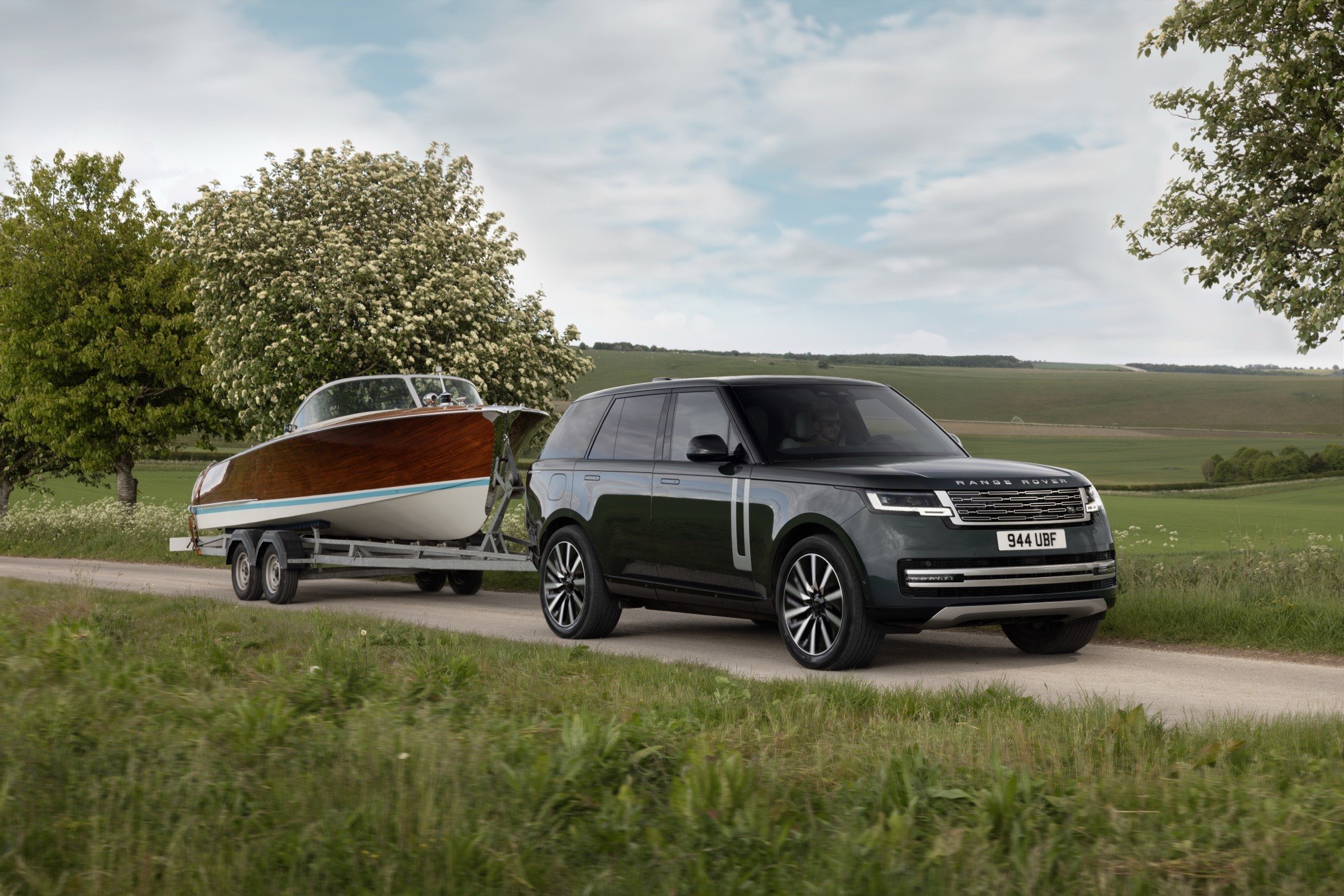
What sets it apart is the part nobody else bothers with. It wades 900 mm — nearly a metre of water — and tows 2,500 kg. It will pull away on a 33 degree slope and roll up a 45 degree one. Single-pedal driving works with Terrain Response, so it comes to a stop on loose ground without the brake pedal, and the traction system reacts inside 50 milliseconds, which JLR says is a hundred times quicker than the same job done by an engine. Electric motors ought to be better at this than engines are; this is the first car at the money to have gone and proved it.
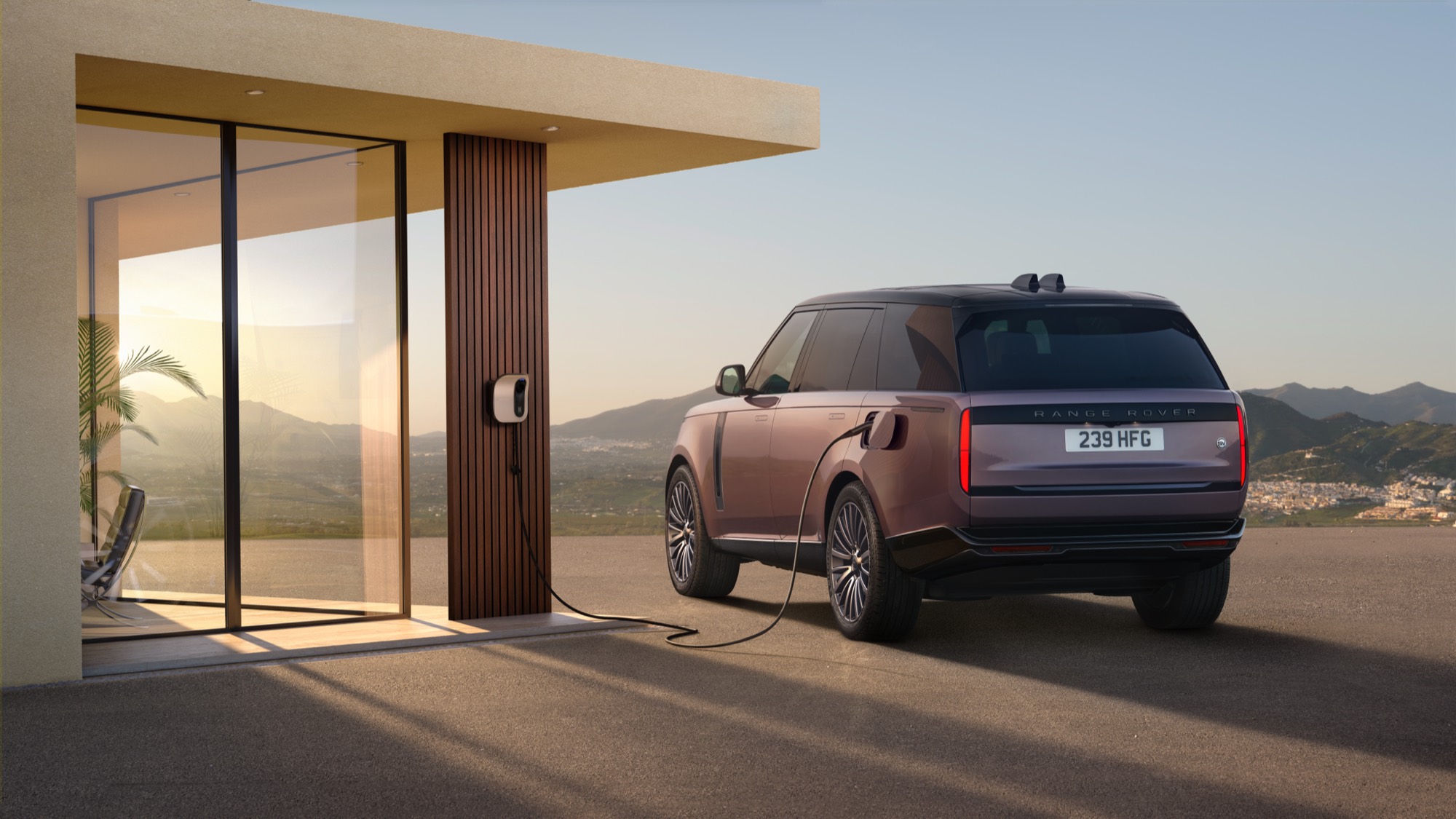
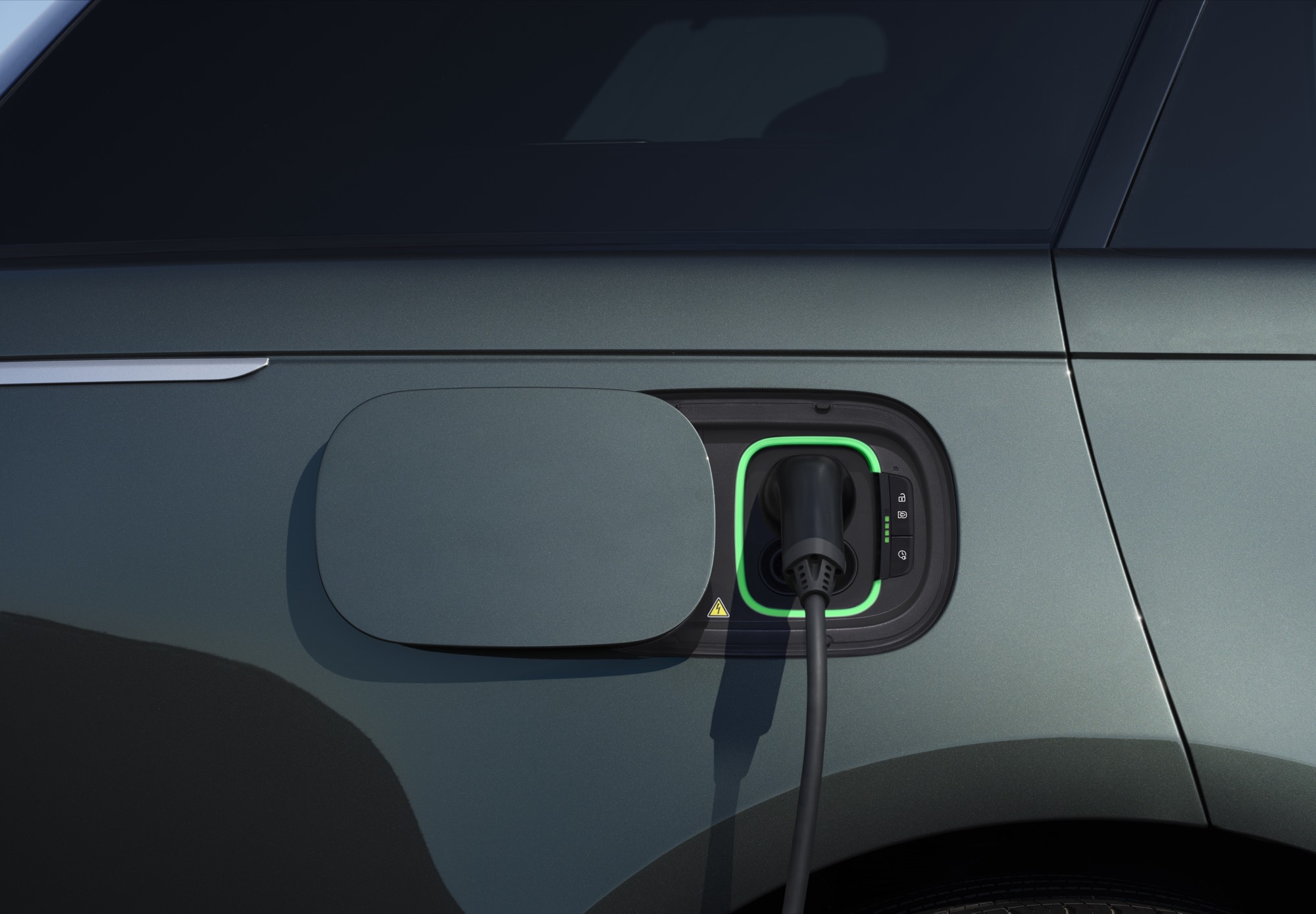
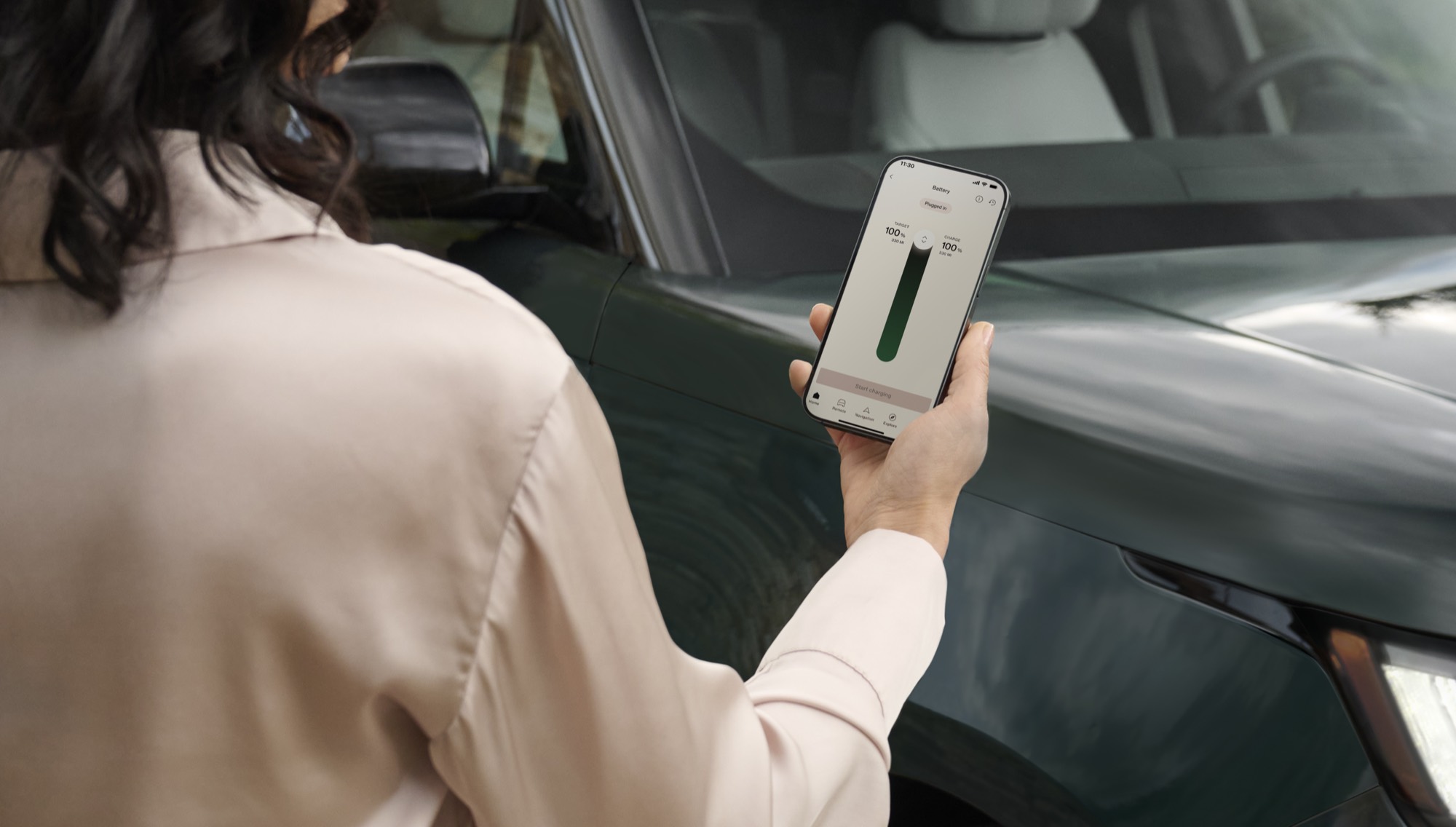
The charging is respectable rather than remarkable. Ten to eighty per cent takes about 22 minutes on a 350 kW charger, and ten minutes adds 136 miles. JLR does not publish what the car actually peaks at, which is the sort of omission that usually means the number is not the story. What is worth having is the 22 kW AC charging: nought to a hundred in seven hours where most cars at this price take eleven, and an optional second charge port so the cable reaches from either side.
Then there is the price. £154,070 opens the range, and a Porsche Cayenne Turbo Electric is £130,965 — £23,000 less, for 374 miles against 372 and 400 kW against a peak Range Rover will not print. A BMW i7 M70 is £164,420 and goes 426 miles. On a spreadsheet the Range Rover loses, and it will go on losing to every car anybody lines up beside it.
Which is the part the spreadsheet cannot hold. Nobody cross-shops a Range Rover. It is bought because it is a Range Rover: for the way it looks on a driveway, the way it looks at you across a car park, and the badge on the bonnet. That has been true for fifty-six years and no amount of Porsche being better value has ever dented it. A £23,000 gap is not an argument to somebody spending £154,070 on a car whose entire proposition is that it is the one you wanted.
The engineering does give the badge something to stand on, mind. Neither of those two will tow two and a half tonnes, and neither of them will cross a ford. Range Rover has taken the two capabilities nobody else in the class bothers with and carried them into an electric car intact, which is harder than it sounds and is the reason this took a decade.
One thing Range Rover will not say is what it costs. £154,070 is the entry, and the only price certainly attached to the electric drivetrain is the First Edition at £157,610 — which is electric-only, so there is nothing to confuse it with. Autobiography, SV and SV Black all take the electric drivetrain too, and the configurator quotes those models from their cheapest fuel, which is the diesel. What an electric Autobiography costs is a conversation with a retailer.
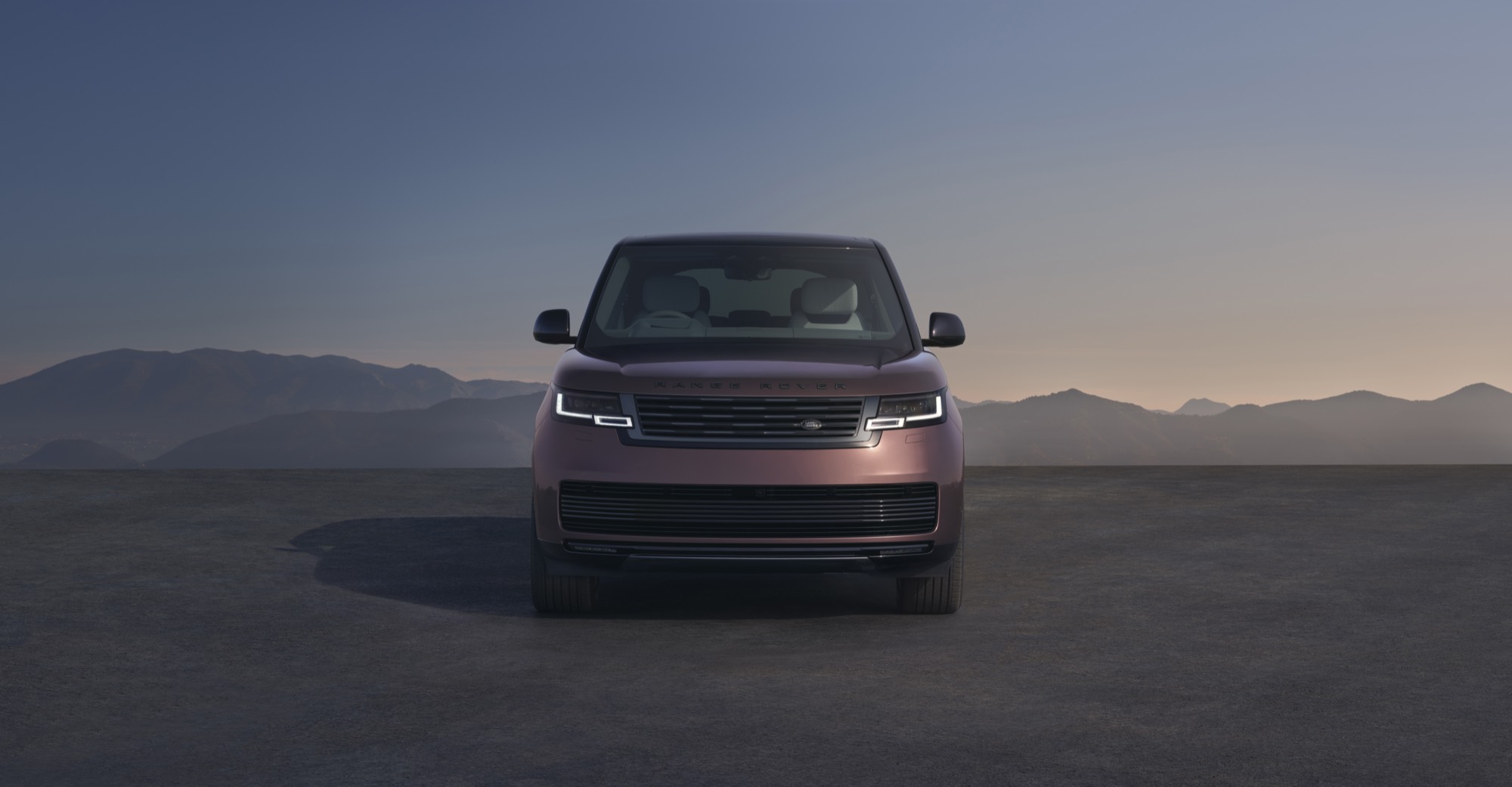
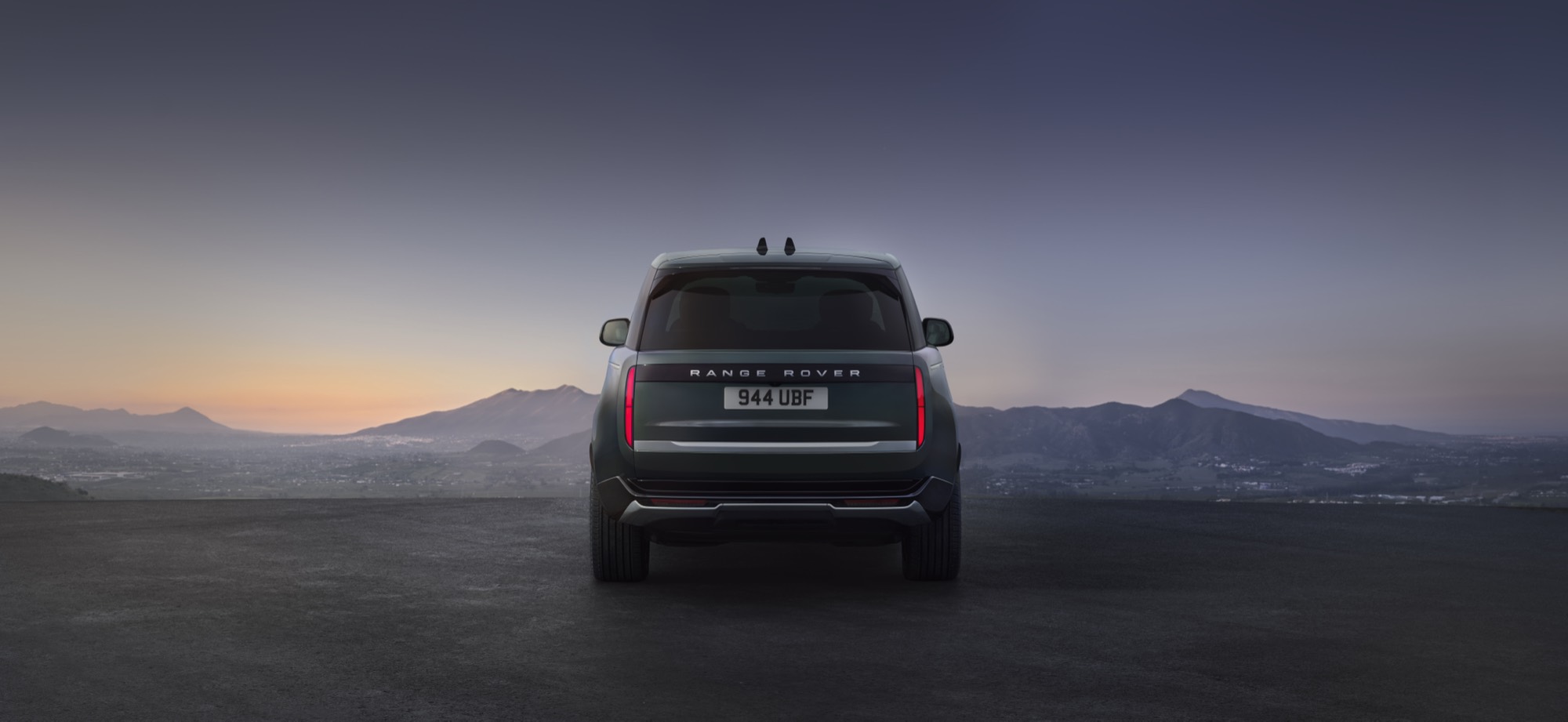
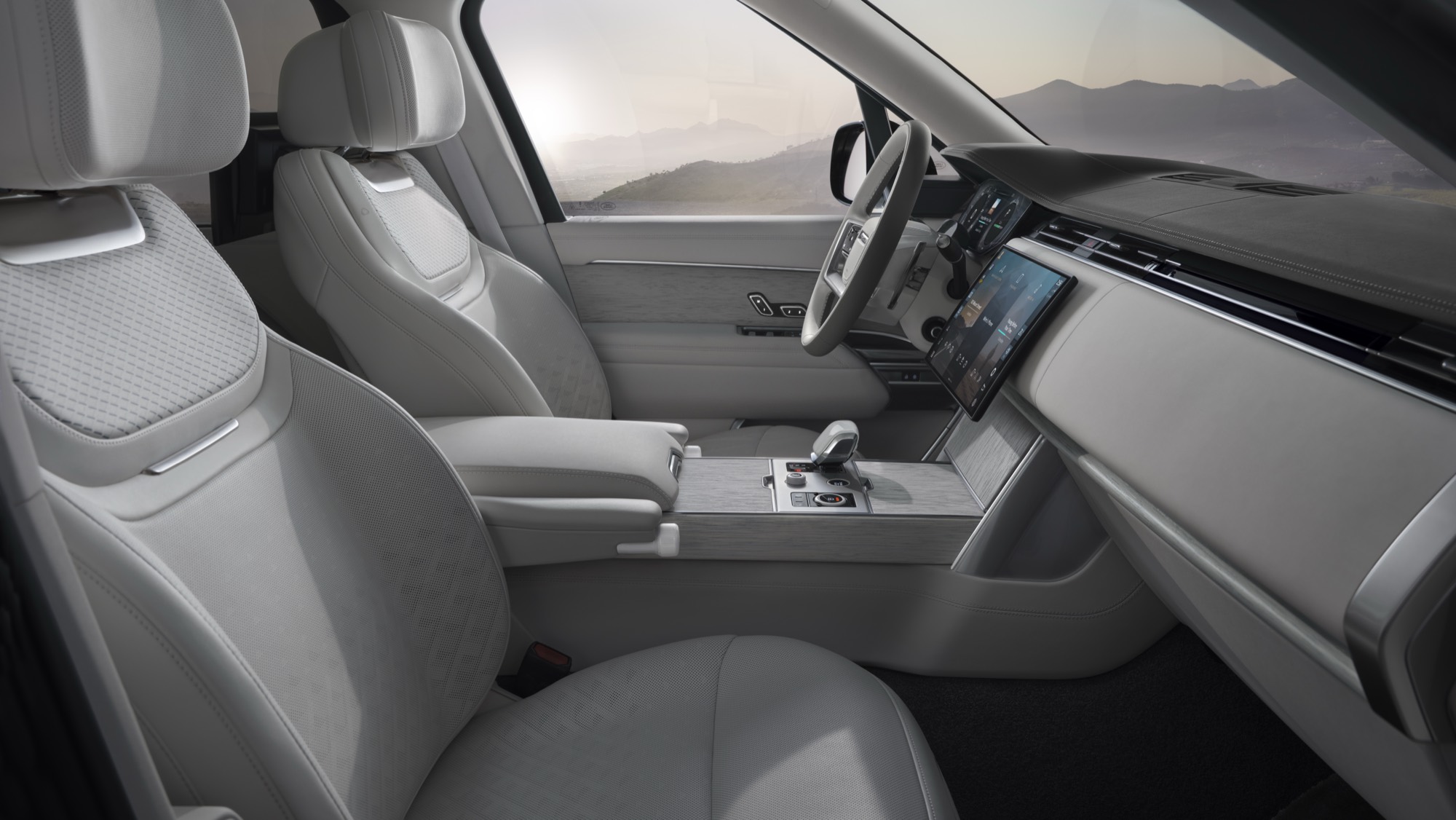
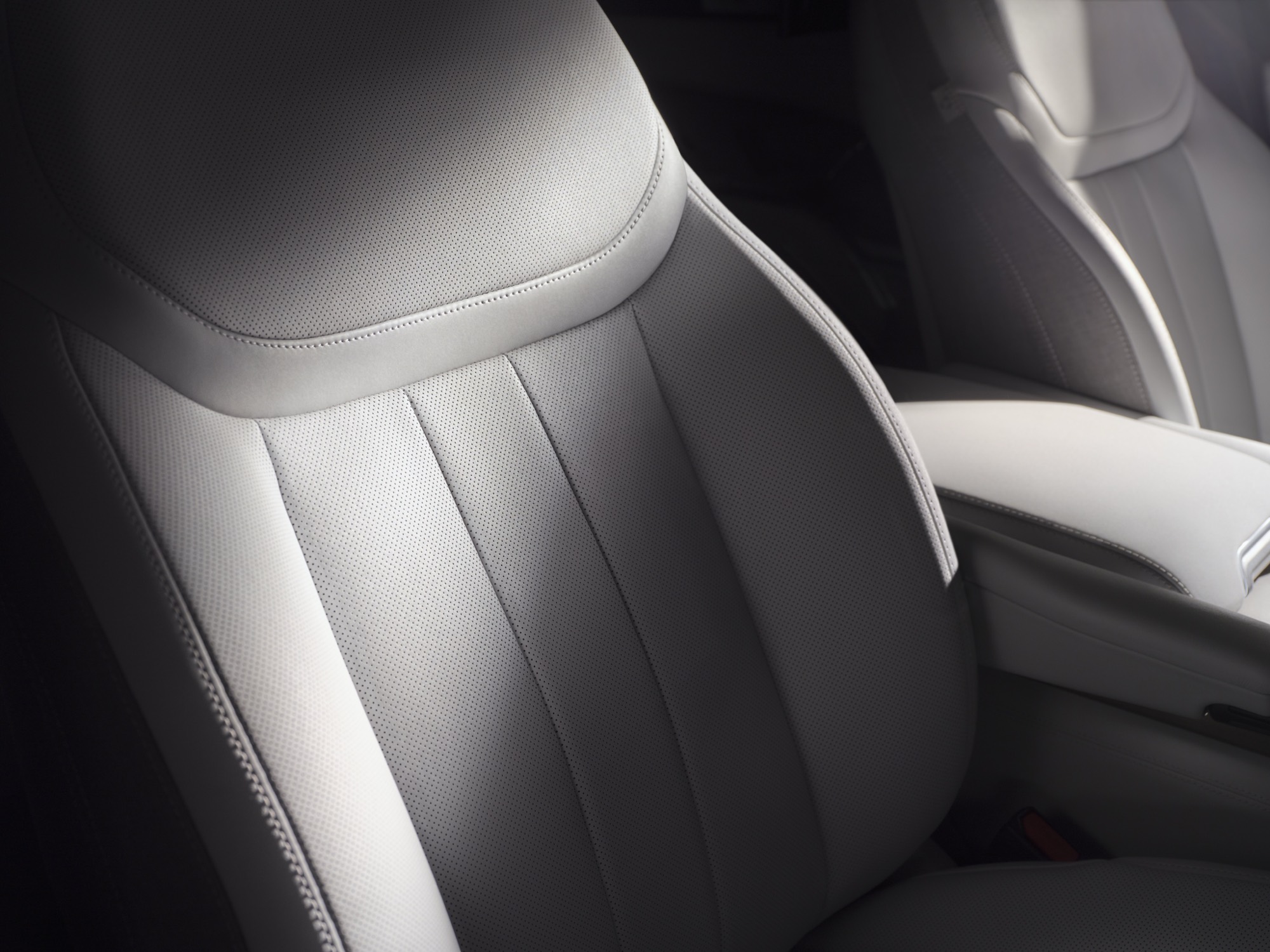
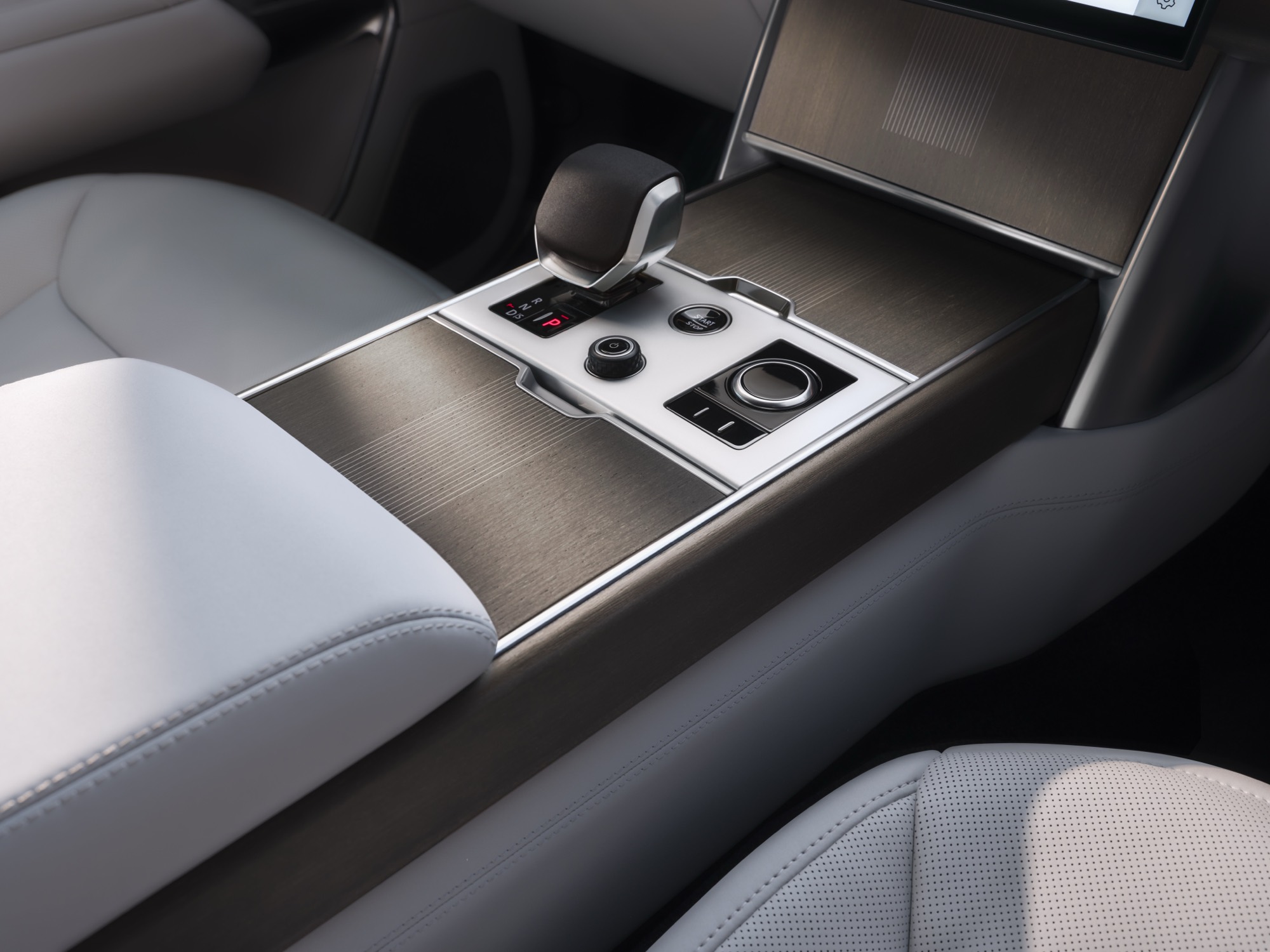
Order books are open, in short or long wheelbase. First Edition cars come in Belgravia Green, Santorini Black or Varesine Blue with a Light Cloud interior in Ultrafabrics and Kvadrat wool, and the propulsion carries eight years or 100,000 miles.
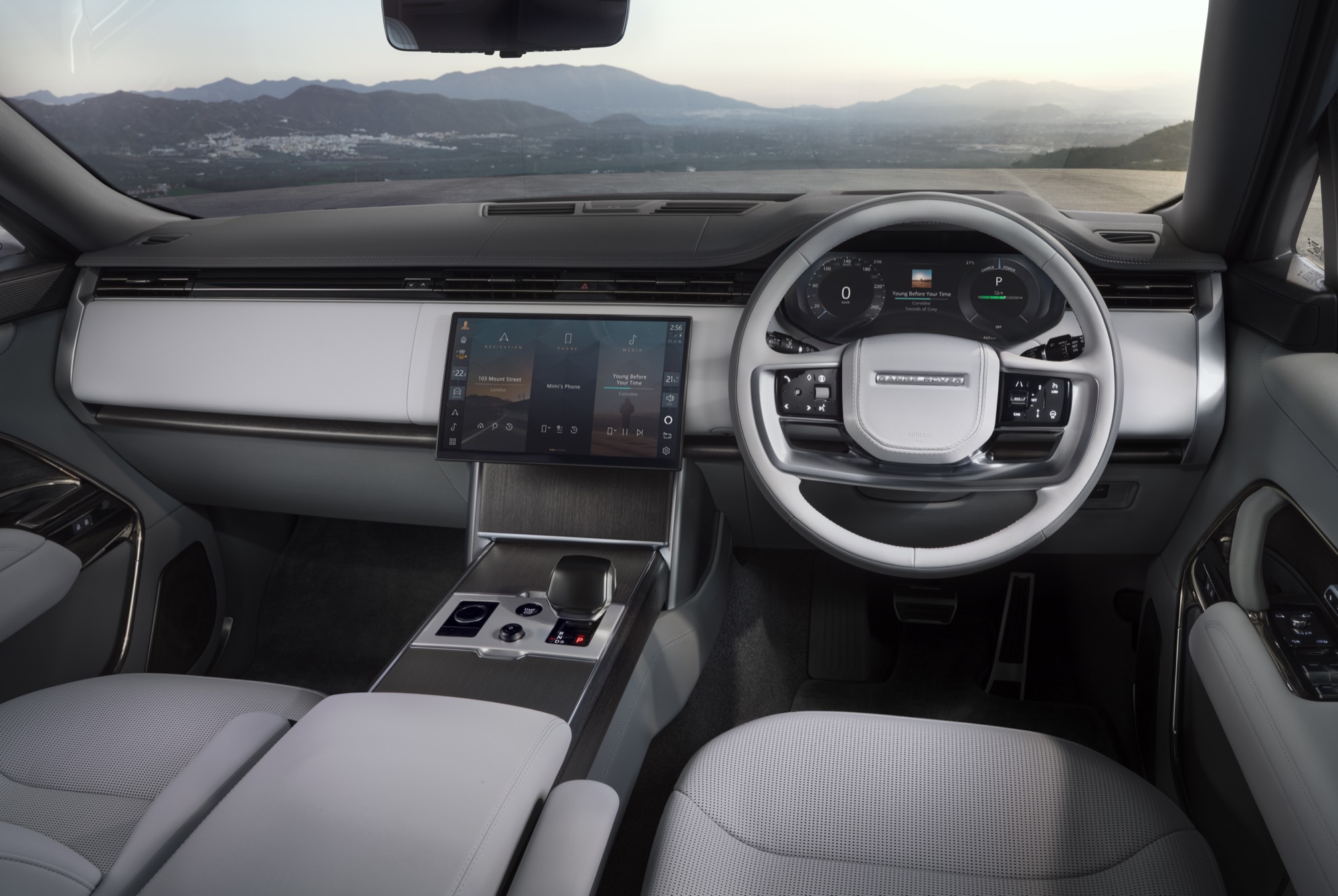
Which leaves the question no press release has ever answered. Range Rovers have carried a reputation for unreliability for as long as most of us have been able to name one, and the usual explanation is that there is simply an enormous amount aboard to go wrong — air suspension, four-zone climate, twenty-four ways of moving a seat, and a large and complicated engine underneath all of it. Deleting the engine deletes a great many of those moving parts at a stroke, along with the belts, the oil, the turbos and the exhaust. The air suspension and the twenty-four-way seats are all still there, so it is hardly a clean slate. Will an electric Range Rover be more reliable than one with an engine in it? Nobody will know for three years. Let us hope.
The numbers
| Price | £157,610 |
|---|---|
| Range | 372 miles |
| Efficiency | 3.1 mi/kWh |
| Battery | 118.5 kWh |
| Fastest charge time | 22 mins |
| Horsepower | 550 hp |
| Torque | 850 Nm |
| Acceleration | 4.3 secs |
| Seating | 5 seats |
How it compares
Matched on battery and price rather than trim name, since nobody names their trims the same way. Prices are on the road with any grant already taken off.
| Specification | Electric Range Rover | Cayenne Electric Porsche | i7 BMW |
|---|---|---|---|
| Price | £157,610 | £130,965 | £164,420 |
| Range | 372 miles | 374 miles | 426 miles |
| Efficiency | 3.1 mi/kWh | — | 3.1 mi/kWh |
| Battery | 118.5 kWh | 113 kWh | — |
| Max fast charge power | — | 400 kW | 250 kW |
| Fastest charge time | 22 mins | — | 28 mins |
| Horsepower | 550 hp | 857 hp | 680 hp |
| Torque | 850 Nm | 1,500 Nm | 1,015 Nm |
| Acceleration | 4.3 secs | 2.5 secs | 3.8 secs |
| Top speed | — | 162 mph | 155 mph |
| Seating | 5 seats | 5 seats | — |
Full specification
Range Rover warranty
- High voltage battery
- 8 years or 100,000 miles